


Community Trust ScoreVerified
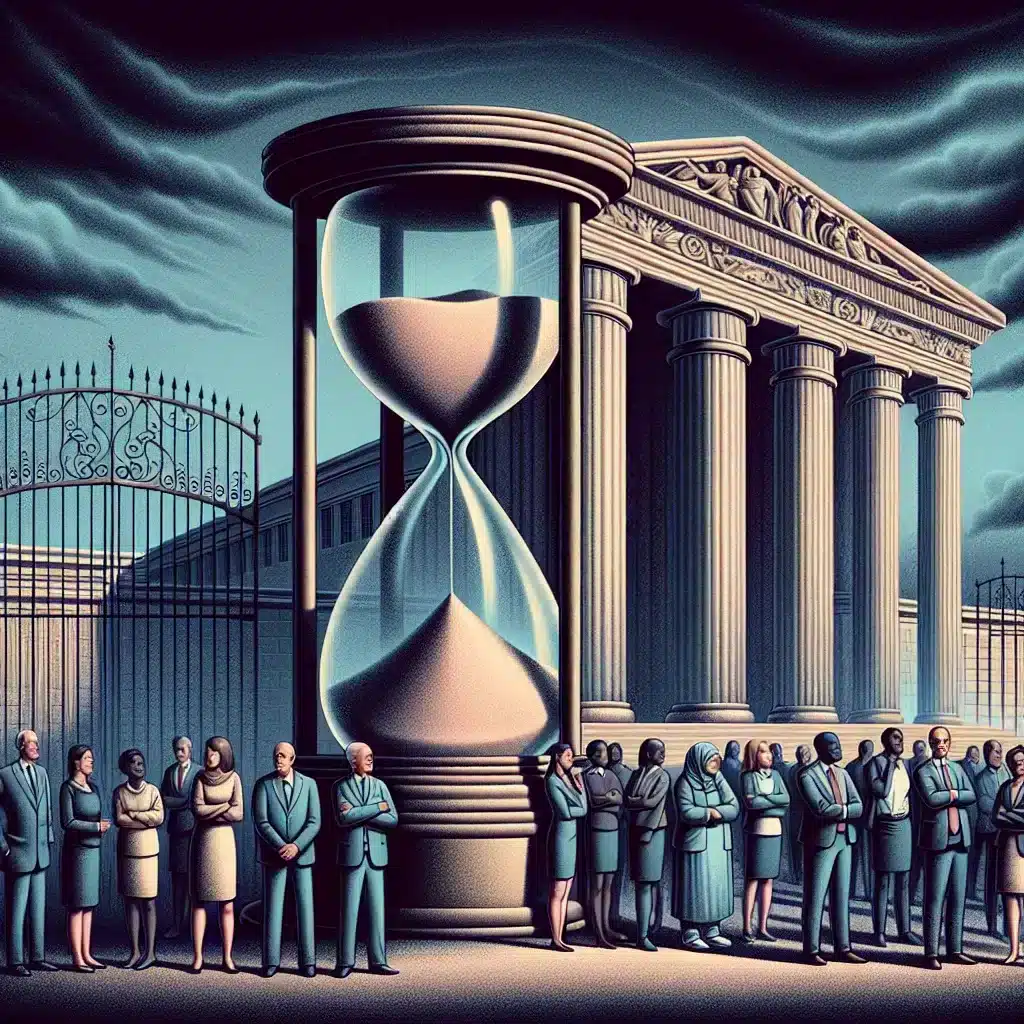
By September 13, 2025, the possibility of a U.S. government shutdown by October 1 is becoming increasingly plausible. Congressional members are deeply entrenched in partisan disputes, with significant challenges in reaching a consensus on necessary spending bills or even a short-term continuing resolution (CR) that could prevent a shutdown. The stakes are high, and the pressure is mounting as the deadline approaches with no apparent resolution.
The political landscape is fraught with tension, as both sides of the aisle struggle to find common ground. The lack of a clear path forward raises concerns about the potential impact on government services, federal employees, and the broader economy. Historically, government shutdowns have led to a temporary halt of non-essential federal operations, affecting everything from national parks to vital public services. This looming deadline could see similar disruptions if lawmakers fail to act swiftly.
Financial markets are also keeping a close eye on developments in Washington. A government shutdown could introduce volatility and uncertainty, influencing investor confidence and potentially impacting stock market performance. During previous shutdowns, markets have experienced fluctuations, with investors wary of the broader economic implications. Analysts suggest that the current political climate could exacerbate these effects, particularly if the shutdown is prolonged.
In recent months, both Democrats and Republicans have been at loggerheads over several key issues, including defense spending, social programs, and tax policies. Each party is holding firm to its priorities, complicating negotiations and making compromise more elusive. The absence of a bipartisan agreement is not only a testament to the growing divide in U.S. politics but also a reflection of the challenges in governance during times of heightened polarization.
Economically, a government shutdown could have ripple effects across various sectors. Federal employees might face furloughs, leading to decreased consumer spending, particularly in regions heavily reliant on government jobs. Moreover, contractors and businesses that depend on federal contracts could experience delays and financial strain. This situation could potentially slow economic growth, with repercussions that extend beyond the immediate period of the shutdown.
A contrasting viewpoint, however, suggests that the urgency of the situation might eventually force a resolution. In the past, looming deadlines have sometimes acted as catalysts, compelling lawmakers to come together at the eleventh hour to avert a crisis. Stakeholders across the spectrum are hopeful that such a scenario could unfold, pushing Congress to negotiate a deal that would keep the government operational.
Political analysts often highlight that the optics of a government shutdown are unfavorable for both parties. A prolonged shutdown could damage public perception and voter confidence, particularly in the lead-up to an election year. Recognizing this, some lawmakers may feel increased pressure to reach a compromise, prioritizing the nation’s well-being over partisan interests.
However, optimism remains tempered. With deeply entrenched positions and limited time, the path to a resolution is fraught with challenges. The current impasse serves as a stark reminder of the complexities in modern governance, where ideological divides often hinder pragmatic solutions.
In conclusion, the impending deadline for a U.S. government shutdown underscores the critical need for bipartisan cooperation. As the clock ticks down, the nation awaits action from its elected officials, hoping for a resolution that averts disruption and maintains stability. The coming days will be crucial in determining whether Congress can overcome its differences and act in the best interest of the country. The stakes are high, and the implications of inaction could resonate far beyond the halls of Capitol Hill.


