Community Trust ScoreVerified
Bitcoin investors are increasingly moving their holdings from exchanges to cold wallets. This shift could signal a new era for Bitcoin, with more investors adopting a long-term perspective on the cryptocurrency, rather than treating it as a short-term trade.
The movement of Bitcoin to cold storage, where coins are kept offline in highly secure wallets, has been accelerating, and experts are closely watching how this could impact the cryptocurrency market as a whole.
What Are Cold Wallets and Why Are Investors Using Them?
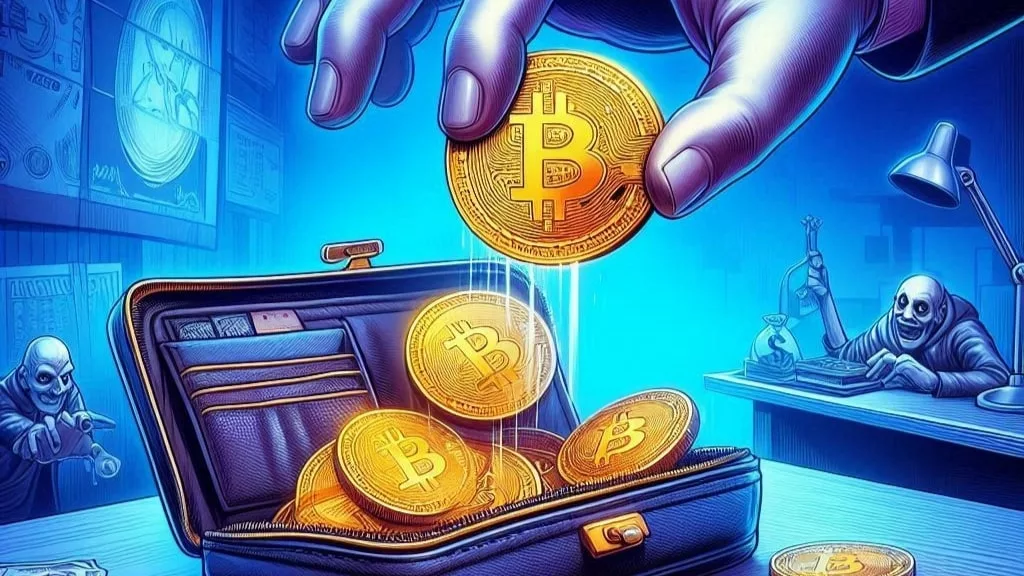
A cold wallet is a storage method for cryptocurrency that keeps coins offline, making them more secure from hacks or attacks. For investors who don’t plan on trading their Bitcoin frequently, cold wallets offer a safe place to store their holdings for an extended period.
The growing popularity of cold wallets is tied to the increased awareness of security risks associated with keeping Bitcoin on exchanges. Exchanges, while convenient, are often targeted by cybercriminals, and there have been cases of high-profile hacks over the years. By moving their Bitcoin off exchanges, investors are taking control of their assets and reducing the risk of losing them.
A Drop in Bitcoin Held on Exchanges
The amount of Bitcoin stored on exchanges has been steadily decreasing. In October 2021, exchanges held around 3.2 million Bitcoin. Today, that number has dropped to 2.46 million BTC, a 23% decrease. This shift suggests that investors are becoming more cautious and choosing to hold their Bitcoin in a safer, long-term storage solution.
This movement is also supported by data from Glassnode, an analytics platform. In the past month alone, 185,000 Bitcoin has been moved into what’s known as “illiquid supply,” meaning it’s been transferred into cold storage. This trend represents more than 75% of the total circulating supply of Bitcoin, highlighting that investors are more confident about holding onto their Bitcoin for a long time.
How Does This Impact Bitcoin’s Price?
The growing amount of Bitcoin being moved to cold storage could have significant implications for Bitcoin’s price. As more Bitcoin is taken off exchanges, the total supply available for buying and selling on exchanges decreases. This reduced supply could drive up demand, potentially leading to higher prices.
Bitcoin has always been known for its price volatility. In the past week, for example, the price of Bitcoin briefly reached a new high of $99,600 before dropping back to around $95,600. While these price fluctuations might seem unpredictable, they’re part of the nature of cryptocurrency markets, where rapid changes are common.
However, experts believe that the movement of Bitcoin to cold wallets might help stabilize the market in the long term. With fewer coins available on exchanges, there could be less panic selling, leading to a more stable market. The shift to secure storage options could encourage more investors to hold Bitcoin for the long run, further reducing market volatility.
Why Are Investors Changing Their Approach?
So why are more investors choosing to move their Bitcoin to cold wallets? One reason is the growing sense of confidence in Bitcoin’s long-term value. Many investors are beginning to view Bitcoin less as a speculative asset and more as a store of value, much like gold. They believe Bitcoin will continue to appreciate over time, making it a worthy investment for the future.
Another reason could be the fear of missing out on Bitcoin’s potential. As Bitcoin’s reputation as a store of value grows, investors want to ensure they aren’t caught up in short-term trading and potentially miss out on long-term gains. This shift toward cold storage is reflective of a broader trend towards more responsible, patient investing.
The Road Ahead for Bitcoin
As Bitcoin continues to mature as a financial asset, the growing trend of moving Bitcoin to cold wallets will likely have a lasting impact on the market. The decrease in the amount of Bitcoin on exchanges could help reduce price volatility and pave the way for a more stable cryptocurrency market in the future.
For investors, this shift means that Bitcoin could be entering a new phase of development, where it’s viewed less as a trading asset and more as a long-term investment. This could change how Bitcoin is integrated into broader financial markets, potentially making it more mainstream and widely accepted.
In the short term, the price of Bitcoin will continue to be influenced by supply and demand dynamics. As more investors move their Bitcoin off exchanges and into cold storage, the tightening of supply may increase pressure on prices, potentially leading to upward momentum.
Conclusion: A Shift Towards Long-Term Holding
The trend of moving Bitcoin into cold wallets represents a significant change in the way investors are approaching the cryptocurrency market. With fewer Bitcoin available on exchanges and a growing number of investors adopting a long-term strategy, Bitcoin’s market dynamics are shifting. This move toward secure, offline storage could lead to a more stable and sustainable future for Bitcoin, with long-term investors holding their coins rather than engaging in short-term trading.
As Bitcoin continues to evolve, it will be interesting to see how these changes shape the market and impact the broader financial landscape. For now, one thing is clear: cold wallets are becoming a key part of the future of Bitcoin investing.