Community Trust ScoreVerified
the cryptocurrency market witnessed a significant upswing with Bitcoin and Ether leading the charge on the day before the Federal Reserve’s much-anticipated interest rate announcement. Bitcoin’s value surged past $48,000, while Ether rose above $3,200, contributing to a massive wave of short liquidations totaling over $260 million in just four hours, based on figures reported by CoinGlass.
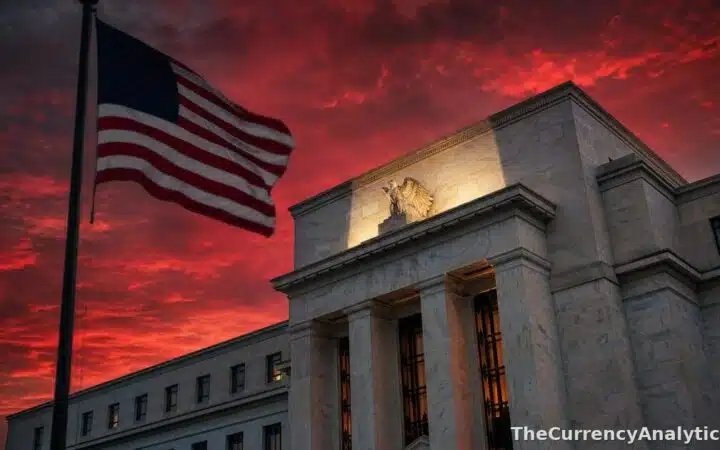
This surge comes at a pivotal moment, as the Federal Open Market Committee (FOMC) is set to reveal its decision on interest rates. Historically, such announcements have significant impacts on financial markets, including cryptocurrencies, as investors adjust their portfolios in anticipation of changes in economic policy. The expectation this time around is that the FOMC might continue its policy of rate hikes to combat persistent inflation, though some analysts argue that recent economic data could prompt a more cautious approach.
The spike in Bitcoin and Ether prices caught many investors off guard, particularly those holding leveraged short positions, who bet that the prices would decline. The large-scale liquidations that ensued are indicative of a broader trend in the volatile cryptocurrency market, where rapid price movements can swiftly upend market expectations. It highlights the inherent risks associated with trading on leverage, where even the most informed positions can lead to significant losses if the market takes an unexpected turn.
In recent years, cryptocurrencies have emerged as a significant asset class, attracting both institutional and retail investors seeking diversification and high returns. Bitcoin, the pioneering digital currency, has often been regarded as a hedge against inflation, drawing comparisons to gold due to its limited supply. Ether, on the other hand, powers the Ethereum blockchain, which has become a foundational platform for decentralized applications (dApps) and smart contracts. The growing utility of Ether has contributed to its increasing value and adoption.
The recent price surge of these leading cryptocurrencies is further compounded by a steady stream of positive news in the sector. Institutional interest continues to grow, as evidenced by major players in the financial industry launching cryptocurrency funds and products. Furthermore, regulatory clarity in several key markets has bolstered investor confidence, paving the way for wider acceptance and integration into the global financial system.
However, the rapid appreciation of Bitcoin and Ether also brings to light potential challenges and risks. The cryptocurrency market is notoriously volatile, with prices often subject to drastic swings influenced by regulatory developments, technological advancements, and macroeconomic factors. Critics argue that the market’s speculative nature could lead to significant financial instability, particularly for retail investors who may not fully understand the complexities involved.
In addition, the impact of regulatory changes cannot be understated. As governments worldwide grapple with how to effectively regulate digital currencies, any sudden policy shifts could introduce new uncertainties. For instance, increased regulatory scrutiny or punitive measures could stifle innovation and dampen investor enthusiasm. Conversely, well-structured regulations could enhance transparency and security, fostering a more stable investment environment.
Adding another layer of complexity is the ongoing debate about the environmental impact of cryptocurrency mining. Bitcoin and Ether, in particular, have faced criticism for their substantial energy consumption. Efforts are underway to make mining processes more sustainable, including the shift from proof-of-work to proof-of-stake mechanisms, as seen in Ethereum’s recent upgrades. Nevertheless, concerns about carbon footprints remain a point of contention among environmentalists and industry supporters.
Looking at the broader economic context, the forthcoming FOMC decision is particularly significant as the global economy navigates the challenges posed by inflationary pressures and geopolitical tensions. Central banks around the world are closely monitoring the situation, balancing the need to curb inflation with the potential risk of stifling economic growth. The outcome of the FOMC meeting could set a precedent for monetary policy in other major economies, influencing asset prices across different sectors, including cryptocurrencies.
While the recent surge in Bitcoin and Ether prices underscores the potential for significant gains, it also serves as a cautionary tale about the market’s inherent volatility. Investors need to exercise diligence and consider diversification to mitigate risk. The allure of high returns should be balanced with a clear understanding of the market dynamics and the potential impacts of external factors.
In conclusion, as the cryptocurrency market continues to evolve, it remains a focal point for both opportunity and risk. The ongoing developments, including institutional adoption and regulatory advancements, are shaping the future of digital assets. However, investors must remain vigilant, acknowledging the potential for sudden and significant market shifts. With the Federal Reserve’s decision looming, the next few days could prove pivotal for Bitcoin, Ether, and the broader financial landscape.