Community Trust ScoreLikely Real
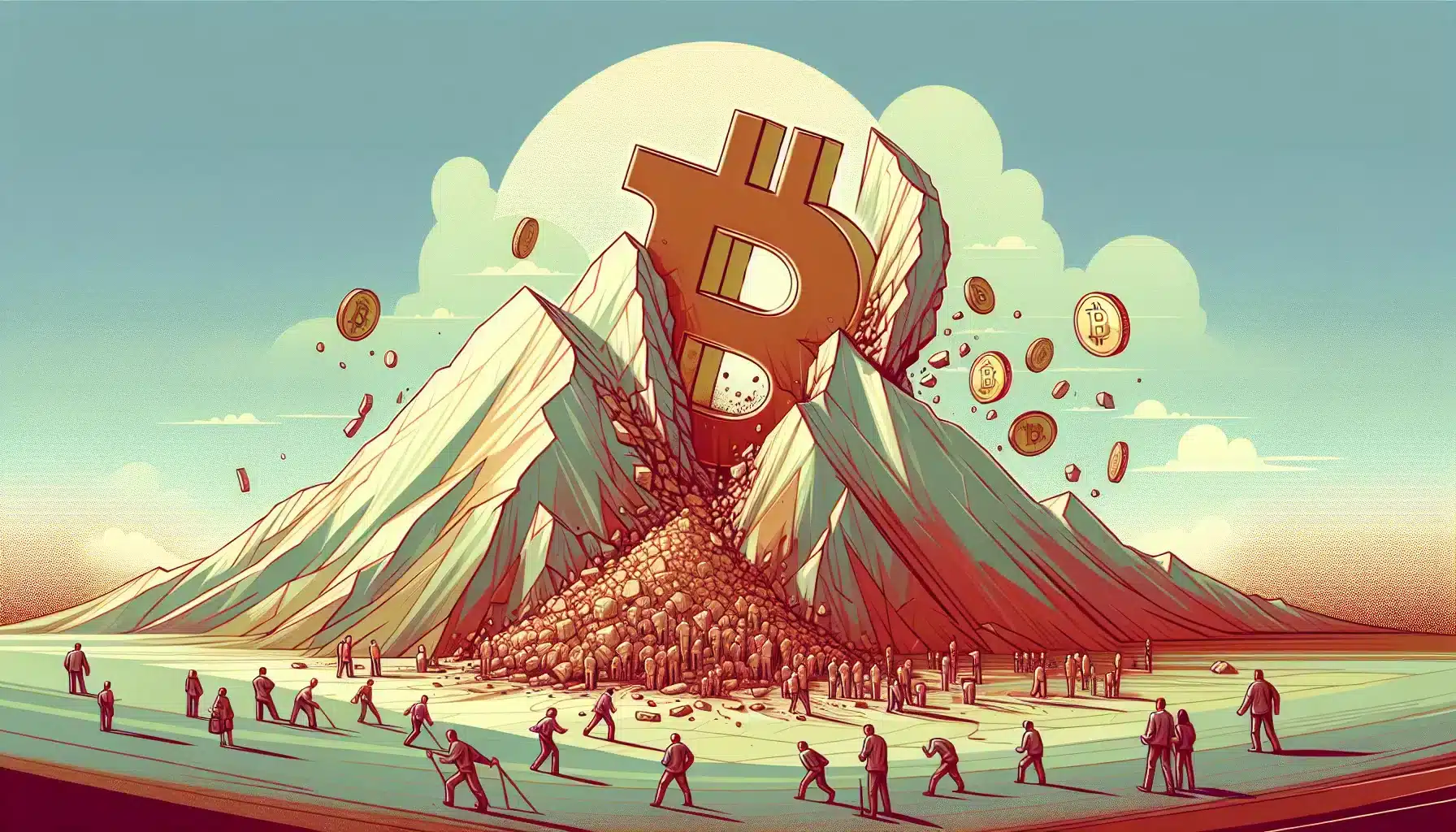
On December 1, 2025, Bitcoin’s value fell to $86,000, a significant development that analysts attribute to two contrasting trends: decreased accumulation by large investors, known as whales, and an increase in purchases by retail investors. This situation marks a late-cycle pattern that could introduce vulnerabilities into the cryptocurrency market.
Bitcoin’s journey in recent years has been marked by extreme volatility and remarkable growth. From its inception, the digital currency was envisioned as a decentralized alternative to traditional financial systems. Since then, Bitcoin has evolved, capturing the interest of both individual and institutional investors. As of late 2025, the digital asset continues to be a focal point for those seeking both investment opportunities and a hedge against inflation.
The current decline in Bitcoin’s price can be traced back to a combination of reduced whale activity and a surge in retail participation. Whales, who are defined as investors holding large quantities of Bitcoin, have historically had a profound impact on the market. Their trading habits can significantly influence price movements due to the sheer volume of their transactions.
However, data indicates a slowdown in whale accumulation. This hesitancy among major investors reflects a shift in market sentiment, suggesting that these players might be anticipating further downward adjustments in Bitcoin’s price. Their reticence could be driven by a confluence of factors, including macroeconomic conditions, regulatory concerns, or profit-taking after substantial gains from previous bull runs.
In contrast, retail investors have shown increased enthusiasm for Bitcoin, with many seeing the price dip as an opportunity to enter the market. Retail interest often brings fresh capital and can drive price surges, but it may also introduce instability. Unlike whales, retail investors tend to have smaller holdings and can be more sensitive to short-term market fluctuations, potentially leading to panic selling during downturns.
This shift from whale to retail dominance may signal a transformation in Bitcoin’s market structure. While the influx of retail investors represents democratization of the asset, it also poses questions about the market’s resilience. The smaller transactions typical of retail investors can create a choppier trading environment, potentially leading to heightened volatility.
Adding another layer to this dynamic is the broader macroeconomic backdrop. Inflation rates in major economies have been on the rise, prompting central banks to take tightening measures. Such actions have historically influenced asset prices, including cryptocurrency, as they adjust to changes in interest rates and monetary policy. These macroeconomic shifts could further compound Bitcoin’s volatility.
Furthermore, regulatory developments continue to cast uncertainty over the crypto landscape. Governments worldwide are grappling with how to manage the rapid ascent and integration of cryptocurrencies into financial systems. Policies emerging from these deliberations could either bolster public confidence in digital assets or stymie their growth, depending on their nature and reception.
Counterintuitively, the current fragility in Bitcoin may also offer a unique opportunity for investors who are well-versed in navigating turbulent markets. Experienced traders might see potential for significant returns by capitalizing on the volatility. However, this approach carries substantial risk, as abrupt market swings could lead to significant losses.
Historically, Bitcoin has experienced several boom-and-bust cycles. In 2017, Bitcoin reached a then-unprecedented high before experiencing a crash that wiped out a significant portion of its value. Similar patterns occurred in subsequent years, illustrating the cryptocurrency’s susceptibility to extreme fluctuations. These past instances serve as a cautionary tale for current investors, highlighting the importance of understanding market cycles and exercising caution.
Outside the Bitcoin realm, the broader cryptocurrency market is also undergoing changes. Alternative cryptocurrencies, or altcoins, are gaining traction, with some investors diversifying their portfolios in search of new opportunities. This diversification could dilute Bitcoin’s dominance in the crypto market, potentially affecting its price dynamics.
Despite these challenges, the long-term outlook for Bitcoin remains a topic of debate. Proponents argue that Bitcoin’s decentralized nature, capped supply, and growing acceptance as a legitimate asset class position it well for future growth. Critics, however, point to its volatility, regulatory hurdles, and environmental concerns related to mining as potential impediments.
One of the emerging concerns relates to environmental sustainability. Bitcoin mining, the process by which new bitcoins are generated and transactions are verified, requires significant energy consumption. This aspect has drawn criticism and fueled debates over the environmental impact of cryptocurrencies. Initiatives to adopt more sustainable practices, such as using renewable energy sources, are underway but remain a work in progress.
Another risk factor is the potential for cybersecurity threats. As Bitcoin and other cryptocurrencies gain value, they become more attractive targets for cybercriminals. Ensuring the security of digital wallets and exchanges remains a critical challenge, with breaches posing significant risks to investors.
In conclusion, the recent decline in Bitcoin’s price amid shifting investment patterns underscores the complex interplay of factors influencing the cryptocurrency market. The transition from whale-driven dynamics to increased retail participation introduces both opportunities and vulnerabilities. As the market continues to evolve, investors must navigate a landscape shaped by macroeconomic shifts, regulatory developments, and inherent market volatility. While Bitcoin’s future remains uncertain, it is clear that its role in the global financial ecosystem will continue to be a subject of keen interest and debate.