Community Trust ScoreVerified
On December 2, 2025, the cryptocurrency market rallied past the $3 trillion mark, driven by several pivotal developments that have reshaped investor sentiment and enthusiasm. Among the most notable was Vanguard’s decision to lift its long-standing ban on cryptocurrency exchange-traded funds (ETFs), a move that has sent ripples through the financial world. The change in policy by one of the largest investment management companies globally signals a monumental shift in how traditional financial institutions are engaging with digital assets.
The decision by Vanguard to embrace crypto ETFs comes at a time when investor interest in digital currencies is surging. For years, Vanguard had been cautious about entering the volatile world of cryptocurrencies, citing concerns over market stability and security. However, the recent endorsement reflects a growing acceptance of digital currencies as a legitimate asset class among mainstream investors. This move is likely to attract significant capital inflows from both institutional and retail investors seeking to diversify their portfolios with cryptocurrency exposure.
Alongside Vanguard’s policy shift, Bank of America has authorized its 15,000-plus financial advisers to recommend clients allocate between 1% and 4% of their portfolios to cryptocurrencies. This endorsement from a major banking institution further underscores the increasing mainstream acceptance of digital currencies as part of a balanced investment strategy. The bank’s decision reflects a broader trend in the financial industry where cryptocurrencies are no longer seen as a fringe asset but rather a critical component of modern portfolios.
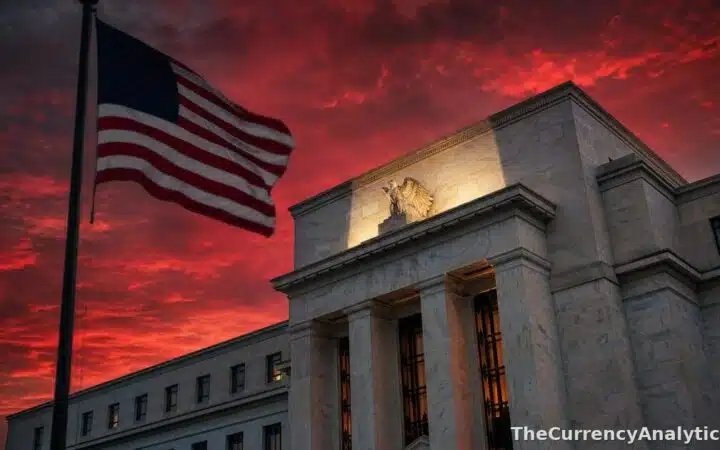
The timing of these developments coincides with growing optimism about the economic landscape in the United States. Speculation around potential interest rate cuts by the Federal Reserve has buoyed investor confidence, making riskier asset classes like cryptocurrencies more attractive. The Fed’s monetary policy plays a crucial role in influencing investor behavior, as lower interest rates typically encourage investment in higher-yielding assets, including stocks and digital currencies. As a result, the likelihood of a rate cut has contributed to the upward momentum seen in the crypto markets.
Historically, the intersection of fiscal policy and emerging asset classes has had profound impacts on market dynamics. The introduction of ETFs in traditional markets in the early 1990s revolutionized stock trading by providing a convenient and diversified way to invest. Similarly, the embrace of crypto ETFs is poised to transform how investors access and engage with digital assets, potentially leading to increased liquidity and reduced volatility in cryptocurrency markets.
Despite the positive sentiment, there are still significant risks and challenges associated with investing in cryptocurrencies. Regulatory uncertainty remains a key concern, as different countries continue to develop and implement their frameworks for digital asset regulation. The absence of a cohesive global regulatory environment can lead to market instability and hinder long-term growth prospects.
Moreover, the inherent volatility of cryptocurrencies poses a risk to investors. While the potential for high returns is enticing, the market is also susceptible to rapid swings that can result in substantial financial losses. Investors should approach the crypto space with caution, ensuring they have a comprehensive understanding of the market dynamics and associated risks.
In addition to regulatory and volatility concerns, technological advancements are reshaping the landscape of digital assets. The development of blockchain technology and decentralized finance (DeFi) platforms presents both opportunities and challenges for the industry. While these innovations have the potential to enhance security and streamline transactions, they also introduce complexities that can be difficult to navigate for traditional investors.
Looking beyond the immediate market conditions, the global adoption of cryptocurrencies is influenced by a multitude of factors, including technological infrastructure, cultural attitudes, and economic conditions. Countries with advanced digital infrastructure and supportive regulatory environments are likely to see faster adoption rates, while regions with less developed systems may encounter barriers to entry.
In contrast to the enthusiasm surrounding crypto ETFs, some industry experts caution against over-optimism. They warn that the market’s rapid ascent could be unsustainable, and a sudden correction could occur if external factors shift unfavorably. For instance, unexpected regulatory crackdowns or shifts in monetary policy could lead to sharp declines in digital asset values.
The crypto market’s current rally represents a significant milestone in the evolution of digital currencies, but it is important to maintain a balanced perspective. As with any investment, due diligence and careful consideration of risk factors are essential for navigating the dynamic and often unpredictable crypto landscape.
In conclusion, the lifting of Vanguard’s ban on crypto ETFs and Bank of America’s endorsement of cryptocurrency investments are pivotal developments that mark an inflection point in the relationship between traditional finance and digital assets. While these changes herald increased mainstream acceptance and potential growth, investors must remain vigilant to the inherent risks and uncertainties that accompany the rapidly evolving world of cryptocurrencies. The coming months will likely prove crucial in determining whether the current momentum can be sustained or if the market will encounter new challenges that test its resilience.