Community Trust ScoreVerified
On November 18, 2025, the Filecoin Foundation and its Australian partner FilOz launched a decentralized cloud platform, coinciding with a widespread Cloudflare outage that affected multiple crypto service frontends. This new service promises enhanced resilience and customization for digital applications, providing a timely alternative to traditional centralized cloud solutions.
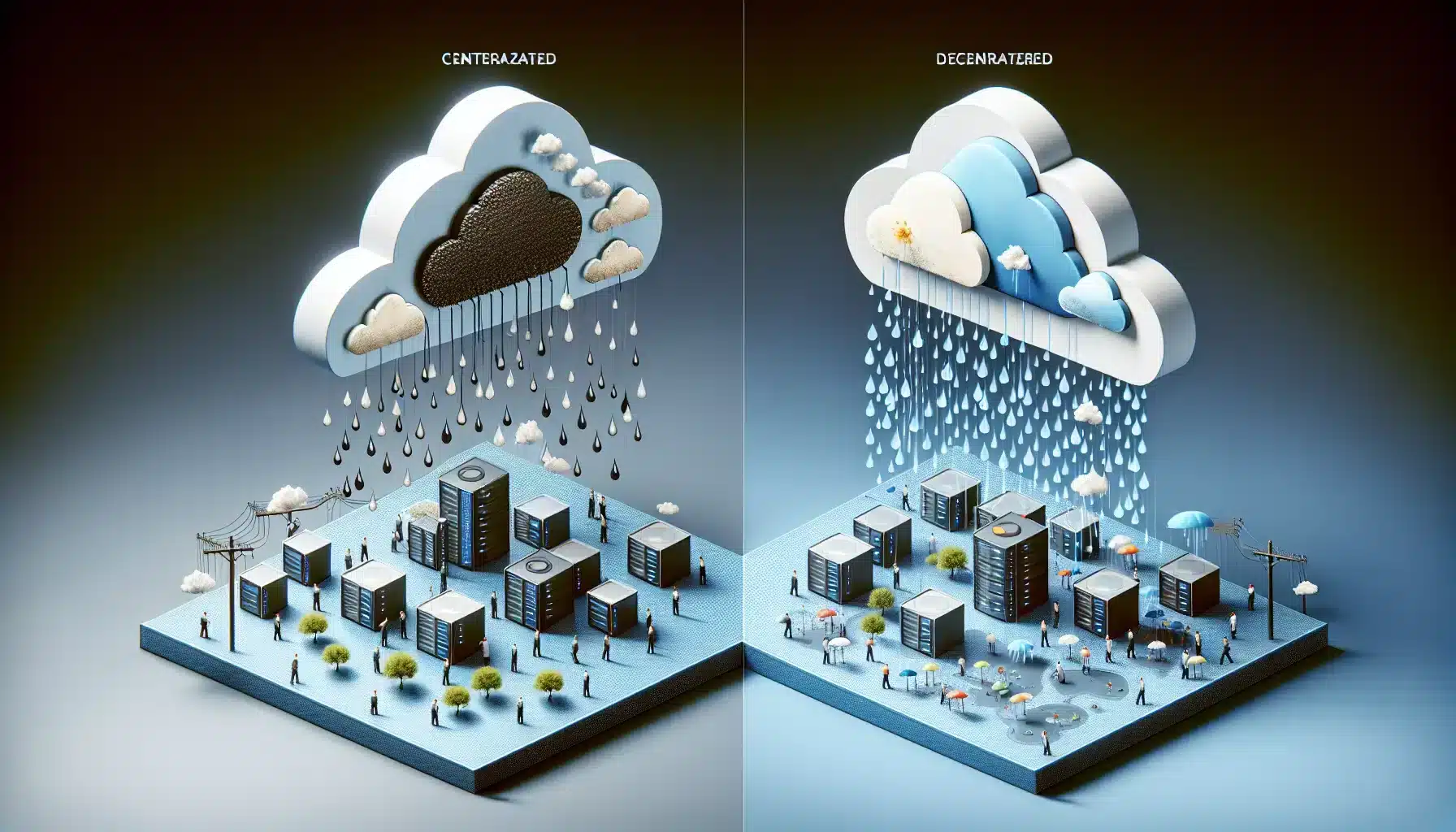
The timing of the Filecoin Foundation’s announcement seemed almost prophetic, as the Cloudflare disruption underscored the vulnerabilities inherent in centralized systems. This outage disrupted numerous websites and online services, highlighting the dependency on single points of failure that can bring large swathes of the web to a standstill. In contrast, decentralized cloud solutions like the one introduced by Filecoin and FilOz aim to distribute data across multiple nodes, thereby increasing redundancy and reducing the risk of widespread outages.
Filecoin, a blockchain-based storage network, along with FilOz, is pioneering this new approach by enabling individuals and businesses to store data across a distributed network. This model not only promises increased security and data resilience but also offers a high degree of customization for developers looking to tailor their applications to specific needs.
Decentralization in cloud computing is not a novel concept, but its adoption has been slow, largely due to initial skepticism and the dominance of established cloud service providers like Amazon Web Services, Microsoft Azure, and Google Cloud. However, the increasing frequency of outages and data breaches in these centralized systems has spurred interest in alternatives. By distributing data storage and processing, decentralized networks can provide a more secure and reliable infrastructure for the growing demands of today’s digital landscape.
The new decentralized cloud platform developed by Filecoin and FilOz is particularly noteworthy for its focus on customization. Developers can design applications that are not only resilient to network failures but also adaptable to changing user needs and technological advancements. This flexibility is essential in an era where innovation cycles are becoming increasingly rapid.
Moreover, the initiative comes at a time when the global demand for cloud services is burgeoning. According to market analysts, the cloud computing industry is projected to grow at a compound annual growth rate of 15.7% over the next decade, reaching a valuation of over $1 trillion by 2030. This growth is being driven by the proliferation of big data, the Internet of Things (IoT), and artificial intelligence, all of which require robust and flexible infrastructure solutions.
The Filecoin Foundation’s project also addresses critical concerns around data sovereignty and privacy. As data regulations tighten globally, with laws like the General Data Protection Regulation (GDPR) in Europe and similar policies emerging worldwide, businesses are increasingly navigating complex compliance landscapes. A decentralized cloud model allows data to remain as local as necessary while still benefiting from global distribution, thus offering a significant advantage in meeting diverse regulatory requirements.
A potential counterpoint to the adoption of decentralized cloud technologies is the challenge of user education and the complexity of integration. Traditional cloud services are known for their ease of use, with intuitive interfaces and extensive support resources. In contrast, decentralized systems require a more technical understanding, which can be a barrier for less tech-savvy users or smaller companies with limited IT resources. Overcoming this hurdle will be crucial for widespread adoption.
Additionally, there are questions about the scalability of decentralized systems to handle the burgeoning demand. While decentralization offers numerous benefits, ensuring that it can meet the same performance and availability standards as established providers is essential for capturing a significant market share. Addressing these concerns will require ongoing innovation and investment in infrastructure.
Historical context adds depth to this development. The idea of decentralizing internet services dates back to the early days of the web, where the focus was on creating a network resilient to failures or attacks. Originally envisioned as a decentralized system, the internet has gradually become more centralized, with a few companies dominating the space. This shift has led to renewed calls for returning to more distributed architectures, a vision that Filecoin and FilOz are now materializing in the cloud computing sector.
Recent policy actions worldwide also emphasize the need for innovation in data management and storage solutions. Governments are increasingly scrutinizing the power held by large tech companies, with regulatory bodies calling for more competition and transparency. Decentralized cloud solutions align with these regulatory goals by diversifying control and increasing competition in the tech industry.
Despite potential challenges, the launch by Filecoin and FilOz represents a significant step toward a more resilient, open, and flexible internet. As the digital world continues to expand and mature, the need for robust, adaptable infrastructure is more critical than ever. By embracing decentralized cloud technologies, businesses can potentially mitigate risks associated with centralization and better navigate the complexities of the modern digital landscape.
In summary, as the world becomes increasingly digital, the infrastructure supporting this transformation must evolve to meet new challenges. The decentralized cloud platform introduced by Filecoin and FilOz not only addresses current vulnerabilities but also positions itself as a forward-thinking solution for future digital ecosystems. With the potential to reshape how data is stored and accessed, this initiative could catalyze a broader shift towards decentralization in cloud computing, offering a compelling case for businesses to reconsider their data strategies in light of evolving technological and regulatory landscapes.