Community Trust ScoreVerified
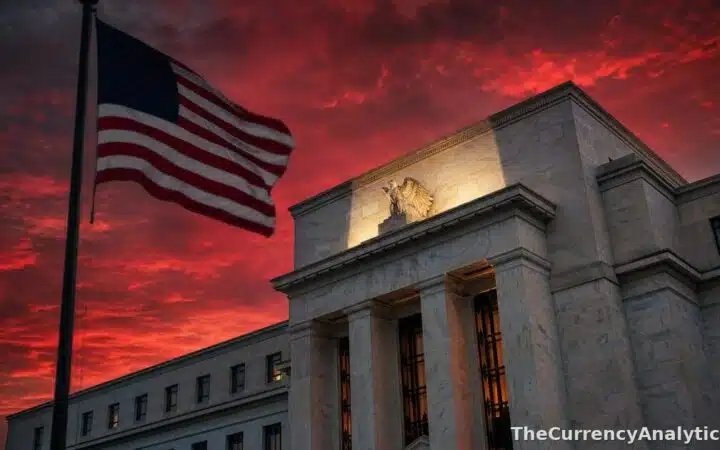
On Wednesday, the Euro recorded moderate gains against the US Dollar, reflecting investor anticipation of a shift in monetary policy by the Federal Reserve. The EUR/USD pair reached 1.1658, marking an increase of 0.27%, as traders speculate that the Fed will soon lower interest rates. This anticipated move, expected to be confirmed in the Fed’s upcoming meeting, has exerted pressure on the US Dollar, influencing currency markets globally.
The speculation around the Fed’s decision is rooted in recent economic data suggesting a slowdown in the US economy, prompting calls for monetary easing. Analysts believe that a rate cut could be on the horizon as the central bank aims to stimulate economic growth and counteract deflationary pressures. In recent months, key indicators such as consumer spending and industrial output have shown signs of weakening, prompting renewed focus on the Fed’s policy direction.
Meanwhile, the Euro’s relative strength can also be attributed to a series of robust economic data releases from the Eurozone, which have bolstered confidence in the single currency. Recent reports indicated a positive uptick in Eurozone manufacturing and service sectors, signaling a resilient economic landscape despite global uncertainties. This comparative economic stability has made the Euro an attractive option for investors seeking alternatives to the Dollar.
Amid these developments, traders are closely watching not just the Fed’s rate decision but also its possible implications on currency exchange rates and global trade dynamics. A cut in interest rates could lead to a weaker Dollar, making US exports more competitive overseas but potentially increasing import costs and affecting inflation. Such potential shifts are being carefully analyzed by multinational corporations and businesses reliant on international trade.
The anticipated Fed decision is set against a backdrop of broader economic challenges, including geopolitical tensions and fluctuating commodity prices. Analysts warn that while a rate cut may provide short-term economic relief, it could also carry longer-term risks. Lower interest rates might lead to reduced returns on savings and investments, affecting consumer spending power and potentially leading to asset bubbles in certain markets.
Additionally, the decision of the Fed comes at a time of enduring uncertainty in global markets. Investors are navigating a landscape marked by fluctuating energy prices and ongoing geopolitical tensions that could impact economic stability. The wariness is reflected in other major currencies’ performances as well, with some experiencing volatility in the face of shifting trade policies and commodity price changes.
In a broader context, the Federal Reserve’s monetary policy decisions have historically had significant ramifications not only domestically but also internationally. As the world’s largest economy, the United States’ fiscal choices can ripple across global markets, affecting everything from emerging market currencies to cross-border investments. Hence, the Fed’s upcoming meeting is being closely monitored by market participants worldwide.
A rate cut could also influence other central banks to reconsider their monetary policies, particularly in Europe where the European Central Bank has maintained a cautious stance amid mixed economic signals. The ECB might find itself under pressure to align more closely with the Fed’s actions to maintain competitive parity and ensure stability in the Eurozone’s financial markets.
However, the prospect of diverging economic policies between the US and Europe could introduce additional complexities. If the Fed decides to lower rates while the ECB remains steady, it could lead to capital flows shifting towards Europe, strengthening the Euro further against the Dollar. This scenario could impact export-driven sectors in Europe, which benefit from a weaker currency.
Historically, the Fed’s rate cuts have been a tool to mitigate economic slowdowns by lowering borrowing costs and encouraging spending and investment. These actions typically aim to shore up confidence within financial markets and sustain economic momentum. Nonetheless, there is a risk that sustained low interest rates could fuel excessive risk-taking and lead to financial imbalances.
The ongoing debate among economists and policymakers centers on the appropriate timing and magnitude of such rate adjustments. While some advocate for proactive measures to address signs of a slowdown, others caution against rushing into rate cuts without fully understanding the potential fallout. This balance between responsive policy and long-term stability remains a delicate challenge for the Fed.
In the current environment, where inflation rates remain subdued and growth forecasts are uncertain, the Fed’s upcoming moves will be critical. Investors, policymakers, and analysts alike will be evaluating the Fed’s statements for any indications of future policy directions and the economic rationale behind their decisions.
As the world awaits the Fed’s announcement, the focus will be on how these policies will shape the economic landscape in the coming months. Increased global economic interdependence means that shifts in US monetary policy will be felt far beyond its borders, reinforcing the importance of strategic financial management and international cooperation in navigating these changes.
In conclusion, the EUR/USD exchange rate movement is a reflection of underlying economic currents and anticipation surrounding the Federal Reserve’s impending decision. While potential rate cuts could provide a boost to the economy, they carry inherent risks that must be carefully weighed by policymakers. As global markets remain vigilant, the unfolding developments will be pivotal in determining future economic trajectories.