Community Trust ScoreLikely Real
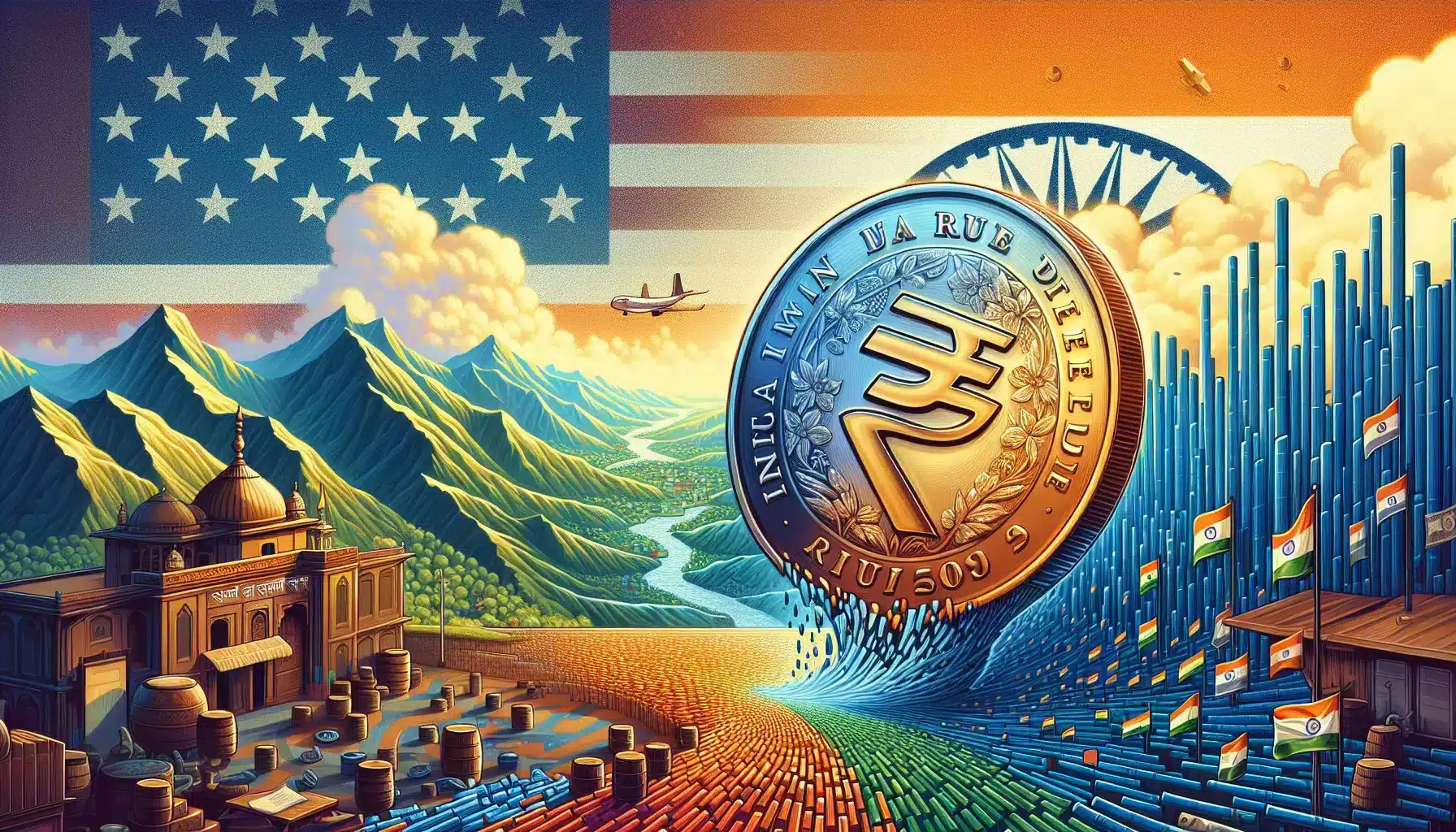
the Indian Rupee weakened further against the US Dollar, with the USD/INR exchange rate reaching an unprecedented 90.86. This historic low reflects increasing pressures on the Rupee against the backdrop of stalled trade negotiations between the United States and India.
The failure to achieve a breakthrough in trade discussions has intensified concerns about India’s economic outlook. For months, analysts have been closely monitoring these talks, hoping for favorable terms that might bolster the Rupee. However, the lack of progress has had the opposite effect, as investors grow wary of unaddressed trade issues potentially impacting India’s growth prospects, especially as the global economy contends with various challenges.
This depreciation of the Rupee can be attributed to multiple factors, including a widening current account deficit in India. The deficit has surged as the country continues to import more than it exports, a situation exacerbated by high oil prices. India, being one of the largest importers of oil, faces significant pressures when international oil prices rise, further straining its currency. The current economic environment has added fuel to this fire, with global energy prices remaining volatile due to geopolitical tensions and supply chain disruptions.
Another major contributor to the Rupee’s decline is the US Federal Reserve’s monetary policy. With interest rates in the US climbing steadily, the Dollar has strengthened as investors seek higher returns, making it more attractive compared to emerging market currencies like the Rupee. This trend has triggered capital outflows from India, where investors are moving their funds to the perceived safety and higher yields of US assets. The Reserve Bank of India (RBI) has been attempting to manage this outflow with measures aimed at stabilizing the Rupee, but with limited success thus far.
The impact of a strong US Dollar is not just limited to India. Emerging markets globally have been feeling the strain as their currencies weaken against the Dollar, increasing the cost of debt servicing and imports priced in the US currency. This situation can lead to inflationary pressures, which further complicates monetary policy for central banks in these countries, including India.
Despite these challenges, the Indian government remains optimistic about its long-term economic trajectory. Officials emphasize ongoing reforms intended to boost manufacturing and improve the business climate, which they believe will eventually attract more foreign investment. The “Make in India” initiative, aimed at transforming India into a global manufacturing hub, is a cornerstone of this strategy. There is also a significant push towards digitalization and infrastructure development, which could provide a much-needed lift to the economy.
However, experts caution that without tangible results from trade negotiations, the Rupee may remain under pressure. The absence of a trade agreement with the US could deter foreign direct investment and exacerbate existing trade imbalances, making it more difficult for India to achieve substantial economic growth in the near term. Furthermore, the global economic landscape is currently fraught with uncertainties, from potential recessions in major economies to geopolitical risks, which could all impact investor confidence in emerging markets.
Historically, India has faced challenges in maintaining a stable currency due to its dependency on imports and external economic conditions. The Rupee has seen periods of volatility in the past, especially during times of global financial stress. In the 1990s, India suffered a balance of payments crisis that led to a significant devaluation of the Rupee, triggering economic reforms that have shaped its current economic policies. These historical lessons underscore the importance of maintaining fiscal discipline and building resilient economic frameworks to withstand external shocks.
Looking ahead, the Indian government and the RBI might need to reassess their current strategies to ensure economic stability. This could involve enhancing export competitiveness, diversifying energy sources, and strengthening foreign exchange reserves to cushion against currency fluctuations. Additionally, engaging more actively in multilateral trade agreements might help secure better market access and reduce dependency on any single trading partner.
A counterpoint to consider is that while the current situation appears challenging, it may also serve as a catalyst for necessary economic reforms. The pressure on the Rupee might prompt more aggressive policy measures aimed at addressing structural weaknesses in the Indian economy. For example, advancing technology sectors and promoting startups could drive innovation and create new growth avenues, reducing reliance on traditional industries.
In summary, the recent plunge of the Indian Rupee against the US Dollar underscores the complexities of the global economic environment and the vulnerabilities faced by emerging markets. The stagnation in US-India trade talks has added to these challenges, highlighting the need for strategic planning and robust policy frameworks. As India navigates these turbulent waters, its future economic trajectory will depend heavily on both domestic reforms and its ability to forge beneficial international partnerships. The coming months will be crucial as both opportunities and risks loom large on the horizon for India’s economic landscape.