Community Trust ScoreVerified
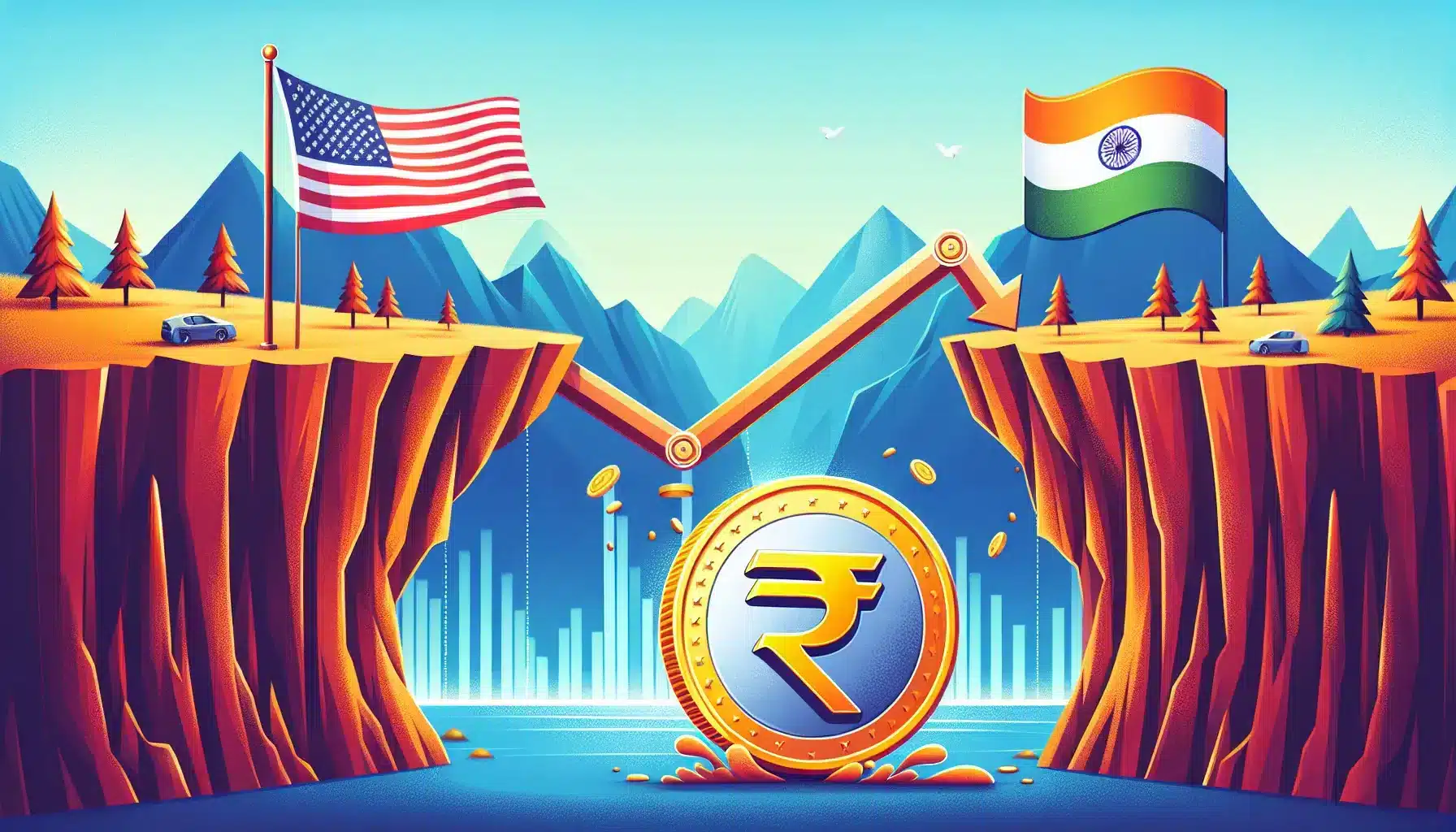
On Thursday, the Indian Rupee faced significant downward pressure against the US Dollar, with the USD/INR exchange rate nearing its historic peak of approximately 90.70. This development reflects growing investor anxiety over the uncertain future of trade negotiations between the United States and India.
The current economic climate has magnified the focus on these talks, as both nations are substantial players in global trade. The United States, with its massive consumer market, and India, a rapidly growing economy and manufacturing hub, have much at stake in these negotiations. However, differences over key issues such as tariffs and intellectual property rights have stalled progress, casting a shadow over the future of bilateral trade relations.
India’s economic landscape has been affected by various macroeconomic factors, including rising inflation and a widening current account deficit. These conditions have made the Indian Rupee more vulnerable to external shocks, such as uncertainties in international trade. The Reserve Bank of India (RBI) has been under pressure to maintain stability in the currency markets, balancing its policy actions between supporting growth and controlling inflation.
In recent years, India has been striving to increase its global economic footprint, aiming to boost exports and attract foreign investment. However, the fragility of the Rupee could undermine these efforts by making imports more costly and eroding competitive pricing for Indian goods in international markets. Historically, a strong dollar has been a double-edged sword for emerging markets like India, offering cheaper capital but also exacerbating domestic economic challenges.
While India remains a key player in the global economy, the challenges posed by a depreciating currency are significant. The Indian government and the central bank may need to implement strategic measures to stabilize the currency, which could include foreign exchange interventions or adjustments in interest rates. However, such interventions carry risks, potentially affecting economic growth by tightening monetary conditions.
The ongoing negotiations between the US and India are not only crucial for the two countries but also hold wider implications for global trade dynamics. The US has been keen on rebalancing trade relationships to reduce its trade deficit, while India seeks greater access to American markets for its goods and services. A successful agreement could strengthen economic ties and set a precedent for future negotiations with other trading partners.
Nonetheless, the path to a resolution is fraught with challenges. The US’s insistence on significant concessions from India in areas like agricultural tariffs and digital trade has met resistance. For India, protecting its domestic industries and maintaining a favorable trade balance is paramount, leading to a stalemate. The complexity of these issues suggests that any resolution is likely to be gradual and require diplomatic finesse.
Adding to the complexity is the geopolitical landscape, where strategic considerations often influence trade policies. The US-India relationship is not just about economics but also about a shared interest in countering regional threats and balancing China’s rising influence. This geopolitical dimension could either facilitate or complicate trade negotiations, depending on how aligned the two countries’ strategic priorities are.
Amid these developments, investors and businesses are closely monitoring the situation. The volatility in the Rupee could affect investment decisions, with foreign investors potentially hesitant to commit to Indian markets without clearer signals about trade policy outcomes. A prolonged impasse could also affect India’s economic growth prospects, as uncertainty tends to depress business confidence and delay investment.
In response to these challenges, India might look to diversify its trade partnerships and reduce its dependency on any single country. Strengthening ties with other emerging markets and investing in domestic infrastructure could help mitigate some of the risks associated with currency volatility and trade negotiations.
However, this strategy is not without its risks. Diversifying trade relationships takes time and resources, and the benefits are not immediate. Furthermore, global economic conditions, such as fluctuating commodity prices and shifting trade patterns, could influence the effectiveness of these efforts.
In conclusion, as the Indian Rupee approaches record lows against the US Dollar, it underscores the intricate interplay between geopolitics, economics, and market sentiment. The outcome of the US-India trade negotiations will likely have long-lasting effects on both nations, shaping their economic trajectories and influencing global trade frameworks. While there are opportunities for growth and collaboration, the path forward requires careful navigation of complex issues and strategic foresight.