Community Trust ScoreVerified
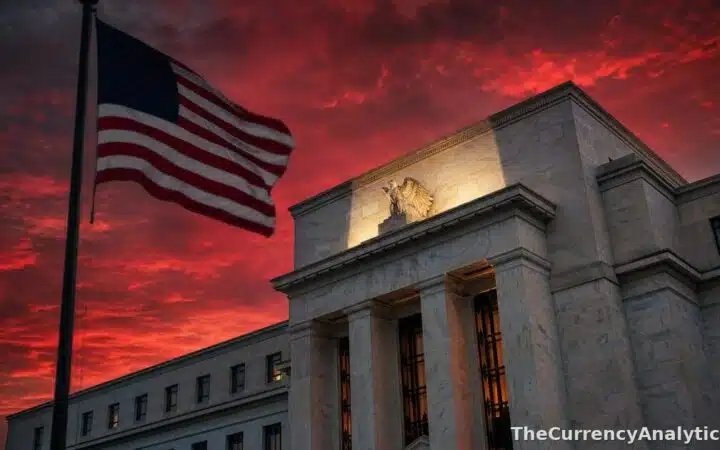
As of Tuesday, the price of silver (XAG/USD) is hovering around $58 per ounce, caught in a period of minimal fluctuation during the late Asian trading session. This stability comes as investors worldwide anticipate the upcoming monetary policy update from the Federal Reserve, slated for Wednesday. The Fed’s decision could significantly impact silver prices, as it may influence interest rates and the dollar’s strength, both of which are critical factors affecting commodity prices.
Historically, silver has been a valuable precious metal, often used as both a form of currency and a key industrial component. Its value is particularly sensitive to economic indicators and central bank policies. The current price steadiness reflects a market in waiting, as traders and investors hold their breath for cues from the Fed. Silver’s role as both an industrial metal and a safe-haven asset makes its pricing susceptible to shifts in economic policy and sentiment.
The anticipation stems from the Fed’s potential to alter its current interest rate trajectory. If the Fed signals an increase in interest rates, the dollar is likely to strengthen, which could put downward pressure on silver prices as it becomes more expensive for holders of other currencies. Conversely, dovish signals, indicating a pause or decrease, might lead to a weaker dollar, making silver more attractive as an investment and driving its price upward.
Silver’s performance is not just a reflection of monetary policy but also the broader economic landscape. Recent years have seen fluctuating demand for silver in industrial uses, particularly in the technology and renewable energy sectors. The metal is a crucial component in solar panels and electronic devices, sectors experiencing significant growth. This industrial demand has provided a floor for silver prices, even as investment demand has experienced volatility.
However, the global economic climate remains fraught with uncertainty. Current geopolitical tensions and trade dynamics may disrupt supply chains, impacting silver mining and distribution. Furthermore, inflation concerns, while currently subdued, could resurge, influencing commodity prices, including silver. Investors often turn to silver as a hedge against inflation, which could spur buying if consumer prices begin to rise again.
In the context of the Federal Reserve’s policy, the central bank has been navigating a complex economic landscape, attempting to balance the need for economic growth with the risks of inflation. The Fed’s past decisions have aimed to promote economic stability, yet the current global economic climate presents new challenges. A policy pivot could signal changes in the Fed’s outlook on economic growth and inflation, impacting market expectations and the flow of capital into commodities like silver.
Nevertheless, there are risks to a potential upswing for silver. Should economic conditions worsen, with recessionary signals growing stronger, industrial demand for silver could decline. This risk is compounded by the potential for new technological innovations that might reduce reliance on silver across various industries. Additionally, as central banks globally work towards diversifying their reserves, moves away from traditional precious metals could affect long-term demand.
Despite these risks, some analysts remain optimistic about silver’s long-term prospects, citing its dual role in industry and as a safe-haven asset. They point to silver’s historical resilience and its consistent recovery from price dips as evidence of its enduring value. As economic sectors continue to recover and evolve post-pandemic, silver could see renewed interest, especially if green technology initiatives gain further momentum.
In a broader context, the global silver market is substantial, with the Silver Institute reporting annual demand exceeding 1 billion ounces. This demand encompasses a wide range of sectors from investment to industrial uses, highlighting silver’s diverse utility. Historically, nations such as Mexico, China, and Peru have been leading producers, contributing significantly to global supply. Any disruptions in these regions could influence silver’s availability and pricing.
As investors await the Fed’s announcement, they also keep an eye on other macroeconomic indicators, including employment figures, Gross Domestic Product (GDP) growth, and international trade data. These signals could provide additional context to the Fed’s decision, offering insights into the broader economic trajectory and influencing silver’s price movements.
In conclusion, the immediate future of silver prices hinges on the Federal Reserve’s policy choices, but it also depends on a multitude of interconnected factors. While the market remains stable for now, the coming days may bring volatility as investors react to new economic data and policy announcements. Silver’s multifaceted role in the global economy ensures that it will remain a focus for traders and investors navigating these uncertain times.