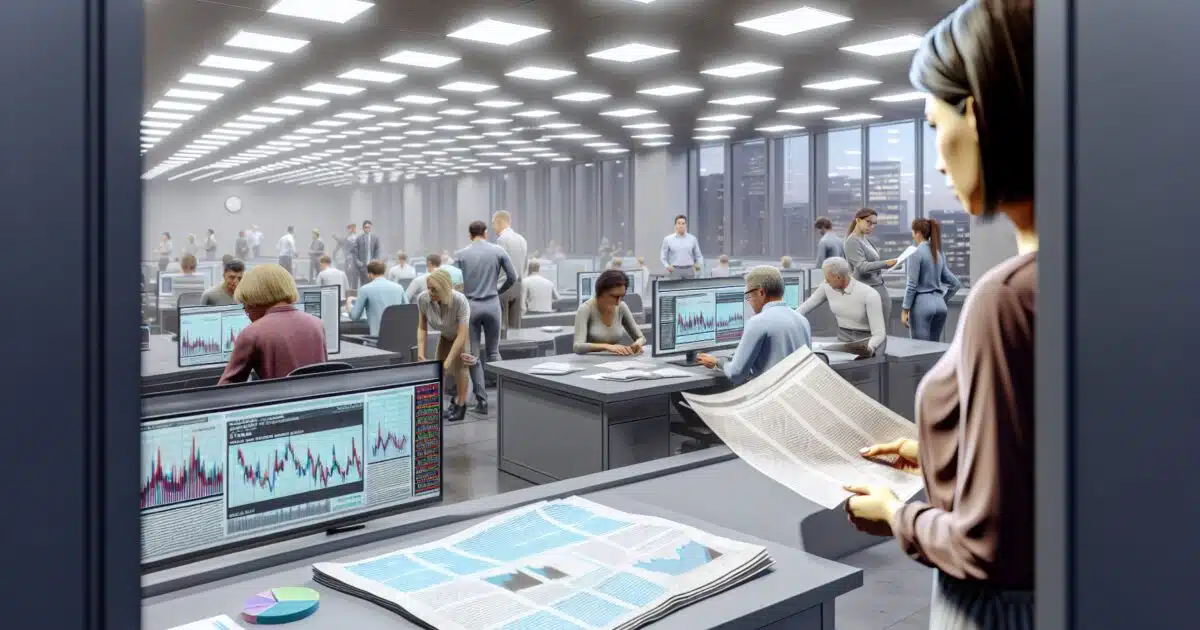
Render (RENDER), a prominent player in the decentralized computing network space, focuses on leveraging underutilized GPU capacity to power a wide range of applications. Born from the convergence of blockchain technology and digital rendering, Render offers a unique proposition by allowing creators to access vast amounts of GPU power without the usual logistical and financial hurdles. This innovation caters primarily to industries like film, gaming, and augmented reality, which require significant computational resources for rendering complex graphics and simulations.
The vision behind Render is to decentralize the rendering process, making it more accessible and cost-effective. By tapping into distributed networks, the project aims to transform how digital content is produced and consumed. This approach also empowers artists and developers by lowering entry barriers, facilitating creative expression on a global scale. The platform’s native token, RENDER, underpins the network’s operations, incentivizing participants to lend their GPU power to the network.
Render’s innovative protocol has caught the attention of both creators and tech enthusiasts, as it promises to streamline production pipelines and unlock new potential for creative endeavors. It’s a timely response to the growing demand for high-quality rendering services, especially as immersive technologies continue to evolve and gain traction across various sectors.
What is Render
Render operates as a decentralized network where users can contribute unused GPU resources to power rendering tasks. This redistribution not only maximizes the efficiency of existing hardware but also democratizes access to rendering capabilities. The network functions on a blockchain-based system, ensuring transparency and security in transactions and operations.
The platform positions itself as a bridge between digital creators and the computational resources they need. By offering a seamless way to access GPU power, Render provides an efficient solution to the traditionally expensive and resource-intensive rendering process. This model not only benefits individual artists but extends to studios and enterprises seeking scalable rendering solutions without heavy infrastructure investment.
How it competes
Render faces competition from several other decentralized computing platforms. Golem, for instance, offers a similar marketplace for computational resources, enabling users to rent out their CPU power for various tasks, including rendering. Like Render, Golem aims to decentralize computing resources, although their approach encompasses a broader range of applications beyond just rendering.
Another notable competitor is iExec, which decentralizes cloud computing by allowing users to monetize unused computing resources. While iExec has a broader focus, including AI and data processing, it still competes directly with Render in certain aspects of decentralizing access to computational resources. Each of these projects offers unique advantages, but Render’s dedicated focus on GPU rendering distinguishes it within the niche market.
Where it could go wrong
Despite its potential, Render faces several risks that could impede its progress. One significant challenge is market volatility, which can affect the value and utility of the RENDER token, impacting participant motivation. Additionally, the project’s reliance on a decentralized network means that user adoption and participation levels are crucial for maintaining a robust and efficient system.
Another potential stumbling block is technological hurdles. The complexity of integrating various hardware resources and ensuring they work seamlessly in a decentralized framework is no small feat. Technical issues or incompatibilities could undermine the network’s reliability and attractiveness to users. Moreover, as technology evolves rapidly, Render must continually adapt to stay relevant and competitive in a fast-changing digital landscape.
How to read the data
Render’s rank within the cryptocurrency market reflects its growing influence and adoption within the decentralized computing sector. Positioned among the top digital assets, the project’s market capitalization suggests a strong and steady interest from investors and users alike. This status signals Render’s potential to impact not only the crypto space but also the broader tech and creative industries.
The platform’s relevance in the sector underscores its specialization in GPU rendering, marking it as a distinct solution amid a broad array of blockchain projects. Observers can glean insights into market sentiment and Render’s development trajectory by monitoring its rank and sector dynamics over time.
FAQ
- What industries benefit most from Render?
Render primarily serves industries needing significant computational power for graphics, such as film, gaming, and augmented reality. - How does Render incentivize participation?
Participants are rewarded with RENDER tokens for contributing their GPU power, creating an incentive to support the network. - What sets Render apart from traditional rendering services?
Render offers a decentralized, cost-effective solution by tapping into a network of distributed GPUs, eliminating the need for expensive infrastructure.
All data referenced in this article is sourced from CoinMarketCap.