Community Trust ScoreVerified
Kalshi just plugged its live prediction market data into DoubleZero’s dedicated fiber network. Sports bets, crypto perpetuals, all of it — now machine-readable and streaming to institutional desks without extra infrastructure.
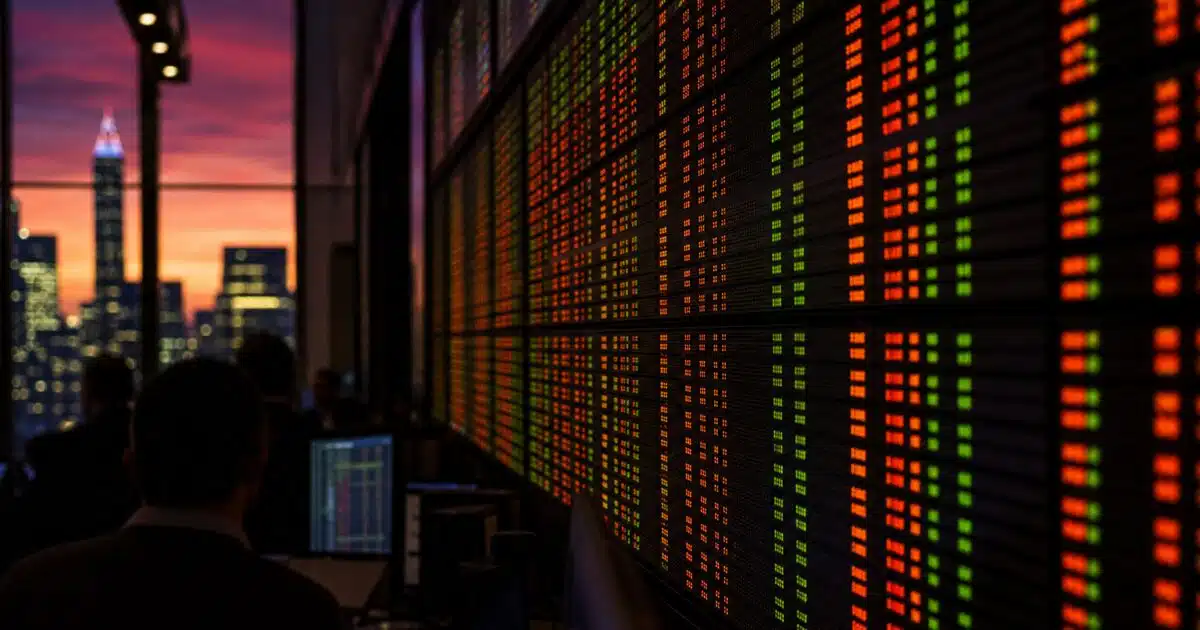
The feed runs through DoubleZero Edge. New subscribers get a direct view of Kalshi’s live order book for sports and crypto perpetual event contracts, and it’s the first time any prediction market has pushed real-time order book data out this way. No additional build-out needed on the client side. You subscribe, you get the data. Pretty straightforward, at least on paper.
Austin Federa, co-founder of DoubleZero, said the move brings institutional-grade infrastructure to a corner of finance that’s basically been running on fumes when it comes to data access. Prediction markets and crypto have grown fast — faster than the pipes carrying their data, in a lot of cases.
What the Numbers Actually Look Like
Here’s where it gets interesting. Per Dune data, sports contracts account for 37.8% of Kalshi’s weekly notional volume right now. Crypto sits at 20.3%. Exotics lead the whole thing at 39.4%. So sports and crypto together are pushing nearly 60% of weekly notional — that’s a big chunk of activity that institutional players haven’t had clean, fast data access to until now.
The gap Kalshi and DoubleZero are trying to close isn’t small. Crypto and prediction markets have both grown into serious financial venues, but the infrastructure around them has lagged. Traditional finance built decades of data plumbing — co-location services, dedicated feeds, low-latency networks. Prediction markets? Not really. Most of the data access has been clunky, slow, or required building custom solutions. Kalshi’s move with DoubleZero Edge is basically an attempt to skip that awkward middle phase and go straight to institutional-grade delivery.
For traders and quant shops that want to price event contracts — sports outcomes, crypto price events — having a clean, machine-readable order book feed changes the calculus. You can’t run a serious model on bad data. And bad data, or slow data, in a volatile market is basically the same as no data.
The Legal Mess Running Alongside All of This
None of this is happening in a clean regulatory environment. Far from it.
Kalshi’s sports event contracts are caught in a jurisdictional fight that’s been grinding through courts and state agencies for a while now. The core dispute: state regulators say these contracts are gambling and fall under state gambling laws. The CFTC says they’re derivatives and belong under federal jurisdiction. Both sides think they’re right. Neither has fully won.
A Michigan judge temporarily stopped Kalshi from taking bets on sports events. Kentucky went further and sued Kalshi — along with others — for allegedly running unlicensed platforms. Nevada slapped on a temporary ban earlier this year. The CFTC, for its part, has taken legal action against several states to push back and assert its authority over event contracts.
So Kalshi is essentially expanding its data infrastructure while simultaneously fighting regulatory fires in multiple states. That’s a hard position to be in. It’s not clear yet how the court battles resolve, and the outcomes probably matter a lot — not just for Kalshi, but for the whole prediction market industry.
And yet Kalshi keeps moving. The DoubleZero integration didn’t wait for legal clarity. Maybe that’s confidence. Maybe it’s necessity. Probably both.
Why This Matters Beyond Kalshi
Prediction markets have spent years being treated as a curiosity — interesting, maybe useful, but not serious finance. That’s shifted. Sports contracts alone are nearly 38% of Kalshi’s weekly notional. Institutions are paying attention. And when institutions pay attention, they want data infrastructure that matches what they get everywhere else.
DoubleZero’s dedicated fiber network is the kind of thing that signals seriousness to that audience. It’s not a public API with rate limits. It’s a purpose-built network for speed and reliability. That distinction matters to the quant funds, market makers, and trading desks that would actually use this feed.
Whether the regulatory situation clears up fast enough for that institutional interest to fully land — unclear. Kentucky’s lawsuit is still live. Michigan’s temporary halt is still in place. The CFTC’s fight with the states hasn’t wrapped. Kalshi’s sports volume is big, but it’s also the volume most at risk if courts side with state regulators.
Sports contracts at 37.8% of weekly notional. That number doesn’t move without consequence if the legal environment tightens further.
Frequently Asked Questions
What data is Kalshi offering through DoubleZero Edge?
Kalshi is streaming its live order book for sports and crypto perpetual event contracts through DoubleZero Edge’s dedicated fiber network, giving subscribers a machine-readable feed without requiring additional infrastructure.
What states have taken action against Kalshi’s sports contracts?
Michigan temporarily halted Kalshi from accepting sports event bets, Kentucky sued Kalshi for allegedly operating an unlicensed platform, and Nevada imposed a temporary ban earlier this year.