Community Trust ScoreVerified
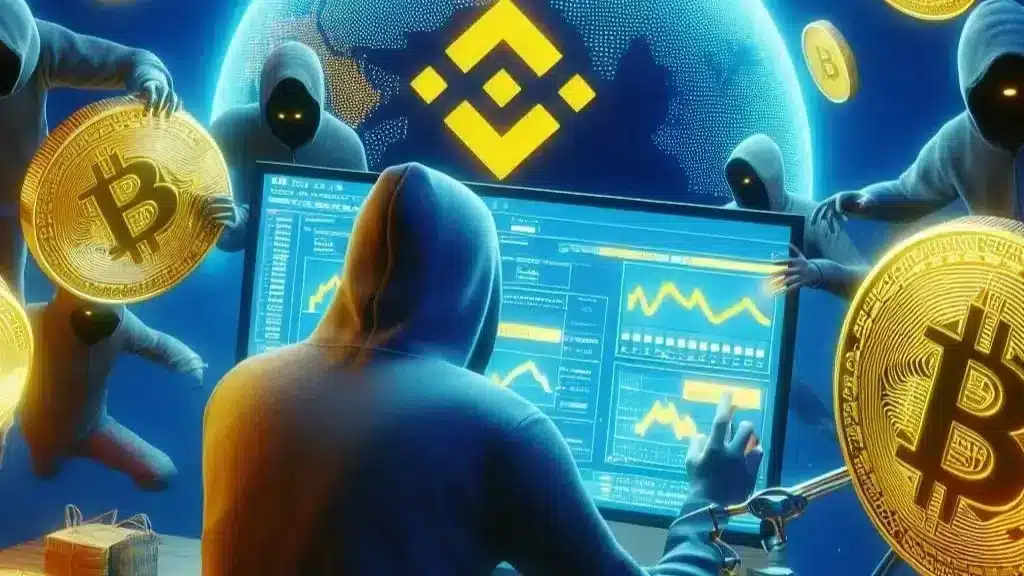
Binance, one of the largest cryptocurrency exchanges globally, is facing increasing reports of sophisticated impersonation scams targeting its users. Individuals have been contacted by what appear to be official Binance representatives, often through SMS or phone calls, resulting in compromised accounts and stolen assets.
How the Scams Work
The scams typically involve fraudulent calls or messages claiming to be from Binance. Victims are warned of unauthorized login attempts or fake listing opportunities. One Polish user recently described receiving an SMS from a number mimicking Binance. Following instructions from the call, the user transferred assets to an external wallet that was later found empty, demonstrating how quickly attackers can exploit unsuspecting users.
These tactics are becoming increasingly convincing. Scammers mimic official Binance protocols, creating fake websites, phone numbers, and messages that appear legitimate. This makes it difficult for users, especially less experienced traders, to distinguish genuine communications from fraud.
Support and Verification Challenges
The Polish incident highlights the broader challenges faced by Binance users worldwide. Reports from Spain, for instance, describe difficulties in account verification. One user encountered an error indicating that another verified account was linked to their email or phone number. The issue was only resolved by authenticating through a phone number, a workaround suggested by the user community.
These incidents reveal inconsistencies in Binance’s verification processes and customer support. Many users report automated responses from the exchange, which can be frustrating when immediate assistance is needed. Cases dating back to December 2021 indicate that users have faced similar hurdles, raising concerns about long-term gaps in support infrastructure.
Risks of Relying on External Tools
Experts warn that trusting third-party wallets or external tools during these interactions increases vulnerability. The Polish user’s experience illustrates this risk: the external wallet used during the fraudulent call was presented as legitimate but was compromised. This underscores the need for caution and independent verification before executing any transactions.
Security analysts emphasize that SMS-based alerts and customer service interactions alone are insufficient for ensuring safety. Two-factor authentication, trusted wallets, and verified official channels remain essential defenses against phishing and impersonation scams.
Growing Need for User Education
The global nature of these scams points to a need for better user education. Many incidents involve social engineering tactics that exploit inexperience, urgency, or fear. Cryptocurrency platforms like Binance must focus not only on technical security measures but also on teaching users to recognize suspicious communications.
Analysts argue that educating users about proper verification steps, warning signs of impersonation, and safe transaction practices can significantly reduce losses. Community-driven platforms, support forums, and official guides can all play a role in raising awareness.
The Responsibility of Exchanges
The rise in scams also raises questions about the accountability of crypto exchanges. Unlike traditional banking systems, where victims of fraud often receive compensation, cryptocurrency users may not have recourse if they fall prey to scams. Exchanges, while implementing security features like multi-factor authentication and verification layers, must also ensure that communication is clear, consistent, and trustworthy.
Some experts suggest that exchanges should prioritize human oversight in support systems to handle complex security issues more effectively. Automated responses, while efficient, often leave users without adequate guidance during high-risk scenarios. Clear communication, rapid response protocols, and robust verification systems are essential to prevent further incidents.
Implications for the Crypto Market
As cryptocurrency adoption grows, the volume of impersonation and phishing scams is likely to increase. Binance’s experiences reflect broader challenges in the market, highlighting vulnerabilities that could affect investor confidence.
Phishing attempts not only result in asset loss but can also erode trust in exchanges, slowing adoption among new users. Analysts recommend proactive measures, such as continuous security audits, improved support systems, and public awareness campaigns, to reduce these risks.
Best Practices for Users
Experts recommend the following measures to protect against scams:
-
Enable Two-Factor Authentication (2FA): Ensure all accounts use 2FA to add an extra layer of protection.
-
Verify Official Channels: Double-check website URLs, emails, and phone numbers before responding.
-
Avoid External Wallets: Do not transfer funds to wallets without independent verification.
-
Educate Yourself: Learn to recognize social engineering tactics and common phishing signs.
-
Report Suspicious Activity: Promptly notify exchanges of potential fraud to prevent further losses.
Conclusion
Binance users face a growing threat from sophisticated impersonation scams. While technical security measures are vital, user education and improved verification processes are equally important. As the crypto market matures, exchanges must balance rapid growth with robust safeguards to protect investors and maintain confidence.
With scammers continually evolving their tactics, vigilance, education, and verified protocols remain the strongest defense for anyone navigating the digital asset space.