Community Trust ScoreVerified
A Republican lawmaker wants to ban insider trading on policy prediction markets. The bill is narrow by design — and that narrowness is already drawing fire.
The proposal takes direct aim at people with privileged access to upcoming policy decisions who might use that knowledge to profit on platforms like Kalshi or Polymarket. Those platforms let users bet on legislative outcomes, regulatory changes, and other government actions. And the fear, pretty much across the board, is that someone sitting in the right room at the right time could clean up on a policy bet before the rest of the market even knows what’s coming.
But the bill doesn’t cover everyone.
Who’s In, Who’s Out
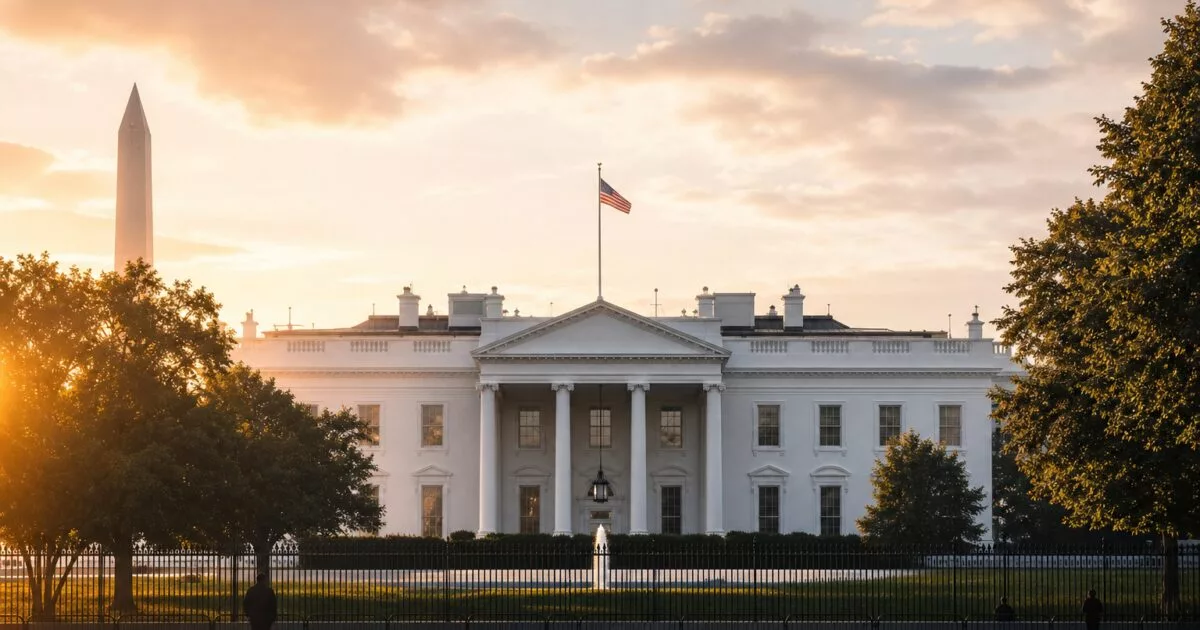
White House officials are excluded from the ban entirely. So are members of Congress. That’s not a minor carve-out — that’s a pretty significant chunk of the people who’d actually have early access to sensitive policy information. Congressional members can still use prediction platforms freely, as long as they stay away from policy-related wagers specifically. Sports betting, for instance, stays fair game for them under the current draft.
The logic seems to be a targeted approach: go after the clearest cases of policy-adjacent insider trading without trying to regulate every corner of how government officials interact with prediction markets. Whether that logic holds up under scrutiny is another question entirely.
It probably won’t satisfy critics.
The Gaps Are Already Getting Attention
The exclusion of White House officials has sparked real debate about what the bill is actually trying to accomplish. Those officials can have just as much — sometimes more — access to sensitive policy information as anyone else in government. A trade deal being finalized, a regulatory ruling about to drop, an executive order sitting on a desk — any of that could move a prediction market fast, and the bill wouldn’t touch the people closest to it.
Some observers think the legislation could struggle in its current form. The selective application raises fairness questions that aren’t easy to dismiss. If the goal is keeping prediction markets clean, a ban that skips entire branches of government seems like it leaves the door open in a pretty obvious way.
Prediction markets have grown fast. They’ve moved from niche corners of the internet into mainstream financial conversation, and regulators have had a hard time keeping pace. The Commodity Futures Trading Commission has wrestled publicly with how to classify and oversee these platforms. State regulators have pushed back in some cases. The industry is still figuring out where it fits in the broader financial regulatory landscape, and bills like this one land right in the middle of that unresolved fight.
The concern about insider trading on these platforms isn’t new. It’s been circulating since political prediction markets started gaining real volume. When a market is pricing the probability of a specific policy outcome, anyone with advance knowledge of that outcome has an edge that no amount of research or modeling can match for ordinary participants. That’s the core problem the bill is trying to solve.
But solving it halfway is its own kind of problem.
What Happens Next
The proposal still has to clear further legislative review before it goes anywhere near becoming law. No timeline has been set. No comments about potential amendments have been disclosed publicly, including on the White House exclusion or the congressional carve-out. Both of those gaps will almost certainly come up as the bill moves through the process — or stalls in it.
Stakeholders across the prediction market industry are watching closely. Any amendments that broaden the bill’s scope could reshape how these platforms operate, particularly for users who rely on policy markets as a genuine forecasting tool rather than a speculative one. A tighter bill with fewer exclusions would put more pressure on participants to document their information sources and trading rationale.
It’s unclear yet whether the bill’s sponsors are open to expanding coverage to White House officials. The source didn’t specify any statements from the bill’s author on that point. No comments from prediction market operators have been disclosed either.
What’s clear is that the bill, as written, draws a line — and that line sits in a place that a lot of people find hard to justify. Policy prediction markets can’t really be called fair if the people making the policies are the ones left off the trading restrictions list.
The legislative process will sort out whether that gap gets closed or stays exactly where it is. For now, the bill is in, the exclusions are in, and the debate is just getting started.
Congressional members can still bet on sports under the current draft.
Frequently Asked Questions
Who does the proposed insider trading bill on prediction markets actually cover?
The bill targets people with privileged access to policy information who trade on prediction markets, but it explicitly excludes White House officials and members of Congress from its restrictions.
Can members of Congress still use prediction market platforms under this bill?
Yes — congressional members can still use prediction platforms for non-policy wagers like sports betting. The ban only applies to policy-related prediction market activity.