Community Trust ScoreVerified
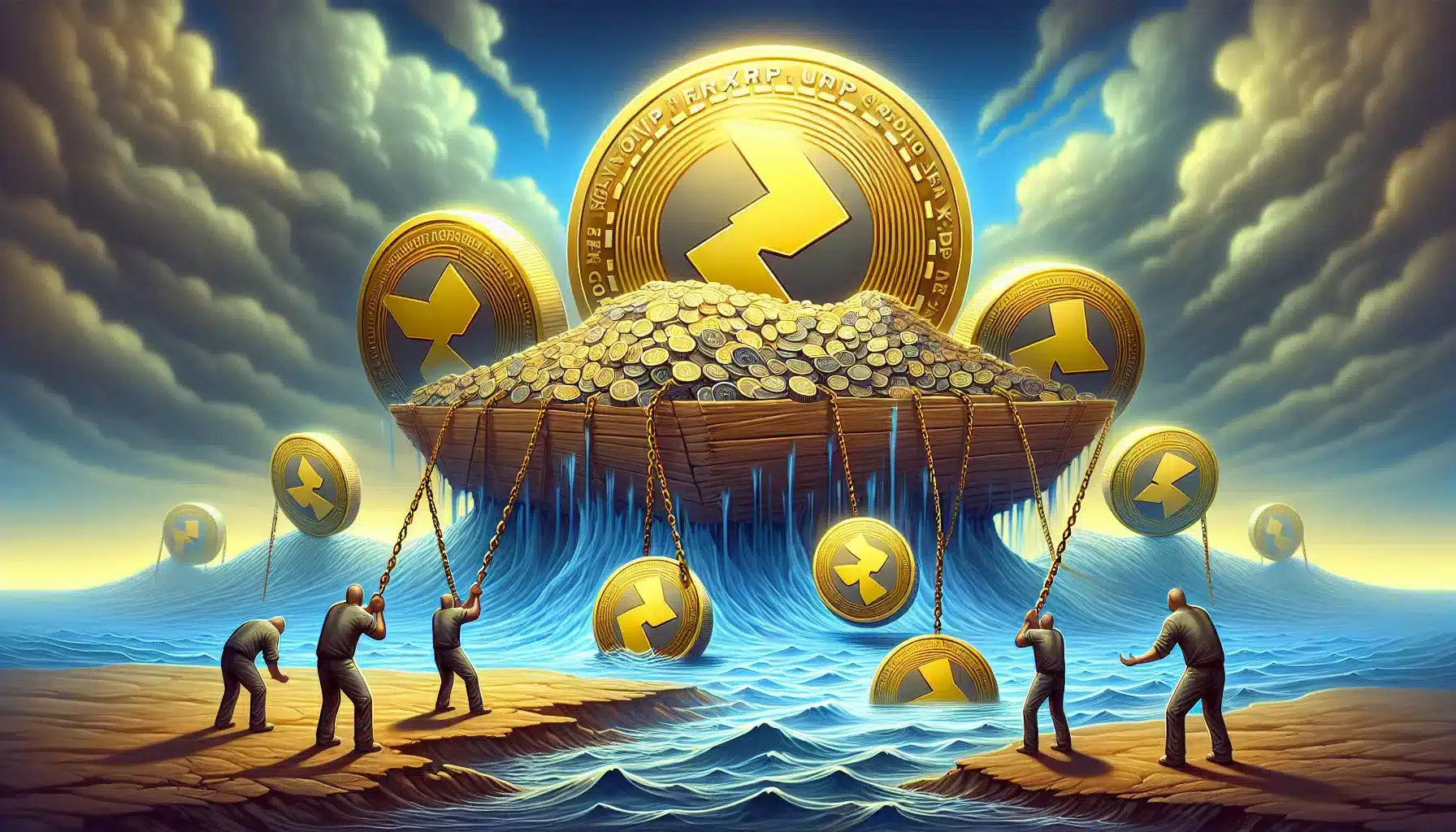
On December 1, XRP experienced a notable drop in its market value as several large-scale holders, often referred to as “whales,” opted to sell off a substantial portion of their holdings. This large-scale selling was not entirely unexpected, as on-chain data had been indicating a trend of increased distribution among these major institutional and private investors. The significant sell-off raises questions about the future stability of XRP’s price and its market dynamics.
XRP, the native cryptocurrency of the Ripple network, saw its price decrease sharply following these whale activities. The move by these major holders signals a lack of confidence in the short-term appreciation potential of the token. Such behavior can have a ripple effect, causing smaller investors to panic and sell, thereby amplifying the price decline. Historically, the cryptocurrency market has been sensitive to the actions of large holders due to the relatively high concentration of assets in a few hands.
In recent months, XRP had been on a rollercoaster ride, buoyed by a partial legal victory against the U.S. Securities and Exchange Commission (SEC). The case, which revolved around whether XRP should be classified as a security, saw a ruling that was somewhat favorable to Ripple, providing a temporary boost to its market price. However, this recent whale activity suggests that any optimism from that victory may have been short-lived.
The cryptocurrency market is notoriously volatile, and the actions of a few significant players can have outsized impacts on price trends. In the case of XRP, the sudden influx of tokens back into circulation from whale wallets creates an increased supply, potentially outstripping demand and leading to price depreciation. For potential investors, this underscores the importance of timely market analysis and the need to understand the broader economic forces at play.
This situation also highlights a crucial aspect of the cryptocurrency ecosystem: transparency through blockchain technology. On-chain data, which allows market participants to observe transaction patterns and behaviors of large holders, provides insights into market sentiment and potential future price movements. For XRP, this transparency revealed an uptick in distribution, forewarning the market’s current state.
While the sell-off by XRP whales has led to a decrease in price, it’s essential to consider the broader context of the cryptocurrency market. The dynamics of price movements in this sector are influenced not only by individual token performance but also by macroeconomic factors. For instance, recent global monetary policies aimed at curbing inflation have led to higher interest rates, making riskier assets like cryptocurrencies less attractive to investors seeking stable returns.
The broader cryptocurrency market has also been dealing with increased regulatory scrutiny worldwide. Many governments are in the process of formulating clearer regulations to govern the use and trading of digital assets. Such regulatory environments can have a dampening effect on investor enthusiasm, especially when it comes to compliance and the potential for penalties in cases of non-adherence.
However, it’s not all doom and gloom for XRP and its stakeholders. The underlying technology of the Ripple network, which facilitates cross-border payment solutions, continues to gain traction in the financial sector. Several financial institutions are adopting Ripple’s solutions for their efficiency and speed, which could pave the way for long-term growth despite current market challenges.
Additionally, comparing the situation to similar instances in the cryptocurrency market, other tokens have rebounded from whale sell-offs. Bitcoin, for example, has experienced several significant drops following large-scale sell-offs but has managed to recover over time. This resilience is a hallmark of the cryptocurrency market, where volatility is matched by opportunities for recovery and growth.
Nonetheless, there are risks involved. The current distribution trend among XRP whales could lead to sustained downward pressure on prices if not countered by increased demand or significant positive developments, such as another favorable legal ruling or widespread adoption of Ripple’s technology. Furthermore, the concentration of XRP holdings in a few large wallets remains a point of concern, as it implies that future market stability could still be at the mercy of these whale actions.
In response to the sell-off, market analysts are urging caution and advising investors to consider the long-term potential of XRP rather than making hasty decisions based on short-term price movements. The cryptocurrency market’s history of volatility suggests that today’s decline could present an opportunity for strategic investment, provided that investors carefully weigh the associated risks and rewards.
In conclusion, while XRP’s current price decline following whale sell-offs presents challenges, it also underscores the complexities of the cryptocurrency market. Investors must navigate these waters with a keen eye on market data, regulatory developments, and technological advancements within the Ripple network. As the digital currency landscape continues to evolve, adaptability and informed decision-making will be key to capitalizing on potential opportunities amidst the volatility.