Community Trust ScoreLikely Real
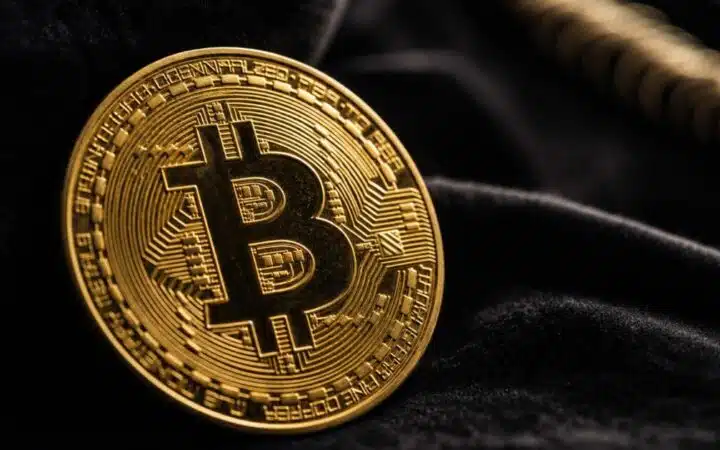
Renowned financial author Robert Kiyosaki has issued a stark warning about the impending financial challenges facing the middle class due to rising inflation and potential economic instability. Speaking amid global economic concerns, Kiyosaki has reiterated his support for Bitcoin as a safeguard against what he describes as the faltering value of fiat currencies.
Kiyosaki, famous for his book “Rich Dad Poor Dad,” is known for his critical stance on traditional financial systems. He argues that these systems are increasingly vulnerable to inflationary pressures that erode savings and exacerbate wealth inequality. This year, inflation rates have surged in various economies, driven by post-pandemic recovery efforts and geopolitical tensions impacting supply chains. The U.S., for instance, has witnessed inflation rates that have not been seen since the early 1980s, raising concerns about long-term financial stability.
Amid these developments, Kiyosaki has aligned himself with an AI-driven educational platform focusing on financial literacy and the integration of Bitcoin into mainstream finance. This platform aims to educate individuals on safeguarding their wealth through digital assets, a move he believes could democratize access to financial security and bridge the growing wealth gap. The platform’s use of AI technology highlights the shift in educational paradigms, emphasizing the importance of adapting to technological advancements in managing personal finances.
The concept of tokenization, which converts real assets into digital tokens, is at the center of this new financial education model. Tokenization is increasingly seen as a way to provide more liquidity and accessibility to various asset classes, ranging from real estate to fine art. This approach not only modernizes asset management but also offers an alternative to traditional investment avenues, which some argue are becoming obsolete.
In a historical context, fiat currencies have often been criticized for their lack of intrinsic value and their susceptibility to inflation, especially during economic turmoil. The 2008 financial crisis, for example, highlighted the fragility of fiat systems and led to increased interest in decentralized currencies like Bitcoin. This has created a parallel financial ecosystem that offers an alternative to standard banking and investment practices, appealing to those disillusioned by conventional financial institutions.
Kiyosaki’s advocacy for Bitcoin is not without its critics. Detractors often point to the cryptocurrency’s volatility as a significant risk factor. Its price can fluctuate wildly in short periods, posing potential risks for investors who are not prepared for such unpredictability. Moreover, the regulatory landscape for cryptocurrencies remains uncertain in many parts of the world. Governments are grappling with how to manage the burgeoning digital currency market, balancing innovation with consumer protection and financial stability.
Despite these challenges, Kiyosaki and like-minded advocates argue that the potential benefits of digital currencies outweigh the risks. They envision a future where Bitcoin and other cryptocurrencies are integral to a more resilient financial system. This perspective aligns with broader trends of technological integration in finance, including blockchain technology, which underpins most cryptocurrencies.
Recent policy actions in several countries have begun to reflect this shifting landscape. For instance, El Salvador adopted Bitcoin as legal tender in 2021, a landmark decision that has sparked discussions on the role of digital currencies in national economies. While not all countries are following suit, the move has encouraged debates about monetary sovereignty and the potential for cryptocurrencies to provide financial inclusion for unbanked populations.
Kiyosaki’s predictions about the middle class facing ‘hard times’ echo concerns expressed by other economic analysts. Rising living costs, stagnant wages, and increasing debt levels are common themes in discussions about the financial pressures on middle-income households. The current economic climate has intensified these issues, with many families struggling to maintain their standard of living.
In response to these challenges, some financial experts advocate for diversification beyond traditional assets, suggesting a combination of digital currencies, precious metals, and real estate as a hedge against inflation. Diversification is a time-tested strategy to mitigate risk, but it requires careful planning and understanding of each asset class’s nuances.
While the debate over the future of finance continues, the increasing popularity of Bitcoin and other digital assets indicates a growing acceptance of alternative financial models. As technological advancements reshape the landscape, individuals and institutions alike are exploring new ways to manage and grow wealth, preparing for an uncertain economic future.
In conclusion, Robert Kiyosaki’s focus on Bitcoin as an economic safeguard reflects broader concerns about traditional financial systems’ sustainability in the face of rising inflation and potential economic upheaval. While risks remain, the increasing integration of technology in finance suggests that digital currencies may play a crucial role in the future economic landscape, offering both opportunities and challenges for individuals and policymakers worldwide.