Community Trust ScoreVerified
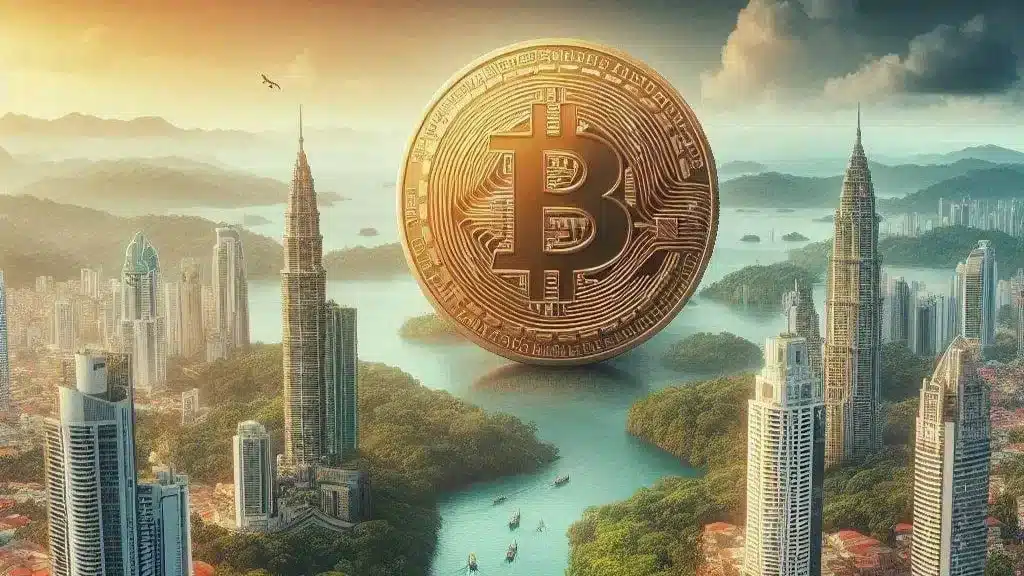
Panama City may soon join the ranks of crypto-forward governments as its newly elected mayor, Mayer Mizrachi, signals a potential leap into Bitcoin. Drawing inspiration from El Salvador’s groundbreaking national crypto policies, Mizrachi has hinted at the creation of a city-level Bitcoin reserve—a move that could reshape how Central American cities engage with digital assets.
While nothing has been confirmed officially, the buzz started after Mayor Mizrachi met with El Salvador’s top Bitcoin advisors, Max Keiser and Stacy Herbert. Just after the meeting, Mizrachi posted two simple but powerful words on X (formerly Twitter): “Bitcoin Reserve.” The cryptic message sent waves through the crypto community, especially since it came just days ahead of his upcoming appearance at the Bitcoin 2025 conference in Las Vegas.
Although the mayor hasn’t unveiled specific details, the timing of the announcement and the context of his discussions with El Salvador’s Bitcoin strategists have raised strong speculation. Many believe Panama City could become the next major city to hold Bitcoin in its treasury, following the model El Salvador has pioneered. El Salvador currently holds 6,179 BTC, valued at roughly $640 million, as part of its national reserve.
Adding fuel to the fire, Panama City has already taken steps toward integrating crypto into its financial systems. A recently passed municipal measure could soon allow residents to pay taxes and public fees using major cryptocurrencies like Bitcoin (BTC), Ethereum (ETH), Tether (USDT), and USD Coin (USDC). These payments would be processed through a crypto-to-fiat conversion system that the city is actively working to implement. If successful, this would mark a significant shift in how public institutions in Panama interact with digital currencies.
Despite this progress at the city level, any move to establish a Bitcoin reserve at the national level would require legislative approval by Panama’s National Assembly. So far, no such proposal has been formally submitted. Mizrachi appears to be testing the waters, gauging both public and institutional interest before taking any bold legislative steps.
Environmental sustainability was another major focus of Mizrachi’s recent talks with Keiser and Herbert. According to social media updates, the trio discussed using Panama’s existing hydroelectric infrastructure to power Bitcoin mining operations. This idea mirrors El Salvador’s use of geothermal energy from volcanoes to mine Bitcoin in an eco-friendly manner. With abundant renewable energy resources, Panama has the potential to position itself as a sustainable crypto mining hub in the region.
In addition to mining and reserves, Panama is also making strides in financial education. Stacy Herbert confirmed that Panama City will begin using El Salvador’s financial literacy curriculum, What is Money?, in its digital library. This educational initiative aims to improve public understanding of money, cryptocurrency, and blockchain technology. The inclusion of this resource in Panama’s educational system underscores a growing commitment to long-term crypto literacy, especially among younger generations.
Mayor Mizrachi’s growing alignment with El Salvador’s crypto policies comes at a time when digital assets are gaining global traction but also facing increased regulatory scrutiny. El Salvador’s own experience with Bitcoin has been a rollercoaster—welcomed by some as visionary, but criticized by institutions like the International Monetary Fund (IMF) for its potential economic risks. Panama may be watching closely to avoid similar friction, especially at the national level.
Still, the momentum building in Panama City is hard to ignore. As one of Central America’s most economically active cities, its embrace of Bitcoin—whether for payments, mining, or reserves—would signal a broader trend toward mainstream crypto adoption in the region.
Much more could be revealed when Mizrachi delivers his speech at Bitcoin 2025 in Las Vegas. Crypto enthusiasts are eagerly waiting to see whether his earlier hint will translate into concrete policy announcements. If so, Panama City might soon become a flagship for decentralized finance in Latin America, following in the footsteps of its regional neighbor.
For now, all eyes are on Mizrachi and Panama’s evolving role in the global crypto narrative. Whether the city-level Bitcoin reserve becomes a reality or remains a bold idea in progress, Panama’s trajectory signals a clear shift: the future of finance in the region may very well be built on the blockchain.