Community Trust ScoreVerified
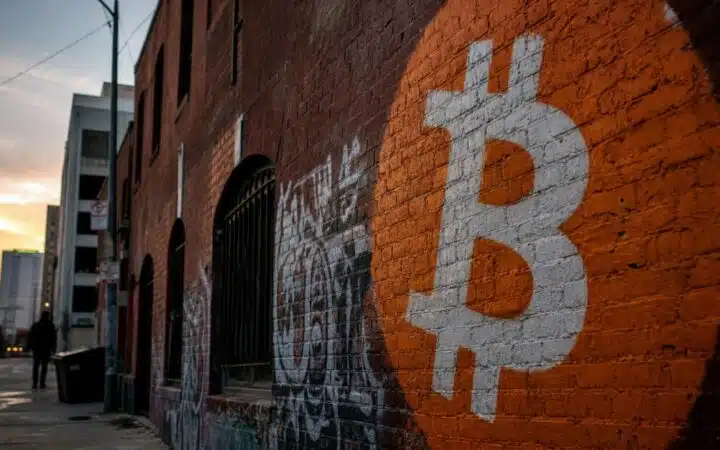
Residents in a small Texas community have lost their battle to gain control over noise pollution from a nearby Bitcoin mining operation. Despite years of complaints about constant noise disrupting their lives, voters ultimately rejected a proposal to incorporate the area into a new city.
Residents Lose Vote to Incorporate Mitchell Bend
According to The Texas Tribune, residents of a two-square-mile area in Hood County sought to form a new municipality called “Mitchell Bend.” The move was aimed at establishing local authority over a Bitcoin mining site operated by MARA (Marathon Digital Holdings), one of the largest mining companies in the United States.
Out of 138 total voters, only 38% supported the measure, resulting in the proposal’s failure. The community, which has around 600 residents, hoped incorporation would give them the power to regulate zoning, issue noise ordinances, and potentially restrict mining operations within their boundaries.
Years of Complaints Over Constant Bitcoin Miner Noise
For roughly three years, residents in the area have complained about persistent noise from MARA’s large-scale mining facility. The site reportedly hosts around 60,000 Bitcoin mining machines — high-powered computers that run nonstop to validate transactions and secure the Bitcoin network, which now boasts a market capitalization of over $2 trillion.
Locals have described the constant hum of the machines as unbearable, with some comparing it to “jet engines running all night.” The noise, they claim, has led to sleepless nights, headaches, and even hearing issues for some residents. Others have moved away altogether to escape the disturbance.
MARA’s Efforts to Reduce Noise
In response to public pressure, MARA has made several attempts to mitigate the impact of the noise. The company constructed a 24-foot wall surrounding part of the site to dampen the sound and shifted about two-thirds of its mining units to liquid cooling technology, which produces less noise than traditional fan systems.
Despite these measures, residents say the problem remains unresolved. Many argue that the changes made little difference and that the sound continues to echo across the rural landscape, disturbing both families and local wildlife.
Bitcoin Mining Sparks Local Tensions
Bitcoin mining operations have increasingly drawn backlash across the United States, particularly in rural communities where energy is cheaper and land is more accessible. While the industry has been praised for bringing investment and jobs, critics argue it strains local infrastructure, raises electricity costs, and contributes to both noise and environmental pollution.
The failed attempt to incorporate Mitchell Bend highlights the ongoing tension between crypto miners and local communities seeking to maintain their quality of life.
MARA Tried to Block the Vote
Before the vote, MARA filed a lawsuit to prevent the incorporation effort from going forward, arguing that the creation of a new city could “tax the company out of business.” The firm claimed the proposed municipality was formed solely to hinder its operations and that the incorporation process lacked legitimate governance intent.
A Texas judge ultimately denied MARA’s request to block the vote, allowing residents to proceed. However, following the election, MARA expressed satisfaction with the outcome.
“We’re pleased that Hood County voters saw through the sham incorporation effort and rejected it at the ballot box,” a MARA spokesperson said.
Residents Vow to Continue the Fight
Despite the loss, local residents say they are not giving up. Community member Danny Lakey stated that the result was disappointing but emphasized that the movement for peace and quiet will continue.
“Although we took a loss here, we are going to move forward and we will continue to do what we can to not let industry take over Hood County,” Lakey told The Texas Tribune.
Residents are now exploring other legal and regulatory options to limit noise and industrial activity in the area. In previous efforts, locals filed complaints against MARA and its site manager, David Fischer, for alleged violations of noise ordinances, though none have led to concrete action.
Broader Pushback Against Crypto Mining
Texas has become a major hub for Bitcoin mining due to its low energy costs and favorable business environment. However, the rapid growth of mining facilities has sparked increasing opposition from nearby communities.
Similar disputes have emerged in other states as well. Earlier this year, in Arkansas, residents of Vilonia successfully persuaded their local planning commission to reject a proposal for a new crypto mining facility after raising environmental and noise concerns.
These local battles underscore a growing national debate over how to balance the benefits of cryptocurrency mining with its social and environmental costs. As more mining firms expand their operations, state and local governments may face mounting pressure to establish clearer regulations addressing energy use, sound pollution, and zoning conflicts.
The Road Ahead
While the Mitchell Bend incorporation effort failed, the conversation around Bitcoin mining’s local impact is far from over. Communities across the United States are beginning to organize and demand stronger oversight of industrial-scale mining facilities.
For residents of Hood County, the immediate outcome may be discouraging, but their struggle highlights the broader need to address how rapidly evolving digital infrastructure intersects with everyday life in small-town America.