Community Trust ScoreVerified
Not every Web3 project becomes a hit. And there are several reasons for that. Lately, Web3 has really taken over gaming. It has everything — NFTs, tokens, DAOs, metaverses. Every other studio promises a “revolution” in gaming with their project. But in practice, over 90% of such “legendary” projects die within six months.
Why does this happen? Gamers care about the game, not the economy. They come to these games to play, not to farm tokens. But some projects actually survive. Honest gameplay, a strong community, and mechanics where blockchain helps, not hinders. But before going further, let’s make an unexpected stop. Let’s talk about cards and crypto.
Bitcoin Blackjack: When Web3 Came to Casinos
Online casinos are also about games, but for real money. And Web3 is actively entering this area. For example, crypto blackjack, which combines the classic card game with full anonymity. As more players move toward blockchain-based platforms, crypto blackjack keeps gaining popularity.
It’s not just about playing a well-known card game — it’s about doing it in a way that fits the fast-paced, anonymous, and decentralized world of crypto. Many gamblers prefer crypto blackjack because it doesn’t require traditional KYC checks, allowing them to keep control over their data. Why is this format popular:
- Often you can play without registration — just link your crypto wallet and you’re set;
- All moves and payouts are on the blockchain — honest, transparent, and safe;
- Instant payouts — you request withdrawal and the winnings are in your wallet in minutes;
- NFTs unlock access to VIP tables, tournaments, increased cashback, and other perks.
<p”>Casinos are actively adopting Web3 in their operations. This makes the game more convenient, faster, and fairer.
No Fun, No Growth: Gameplay Comes First
The main problem with most Web3 games is they look like a Google spreadsheet with tokens. Boring, terrible interface, no enemies, primitive missions. Real success in the market comes only to games that are genuinely interesting. Here are some successful projects:
- Big Time. About battles with enemies, looting weapons and gear, action, and time as the main resource;
- Illuvium — Pokémon and automatic battles. Looks beautiful and is deeply developed;
- Parallel — a card strategy but with AAA graphics elements, hooks you from the first minutes.
What can make a game special and stand out from competitors? Here are some factors:
- Engaging gameplay;
- Different playstyles (PvE, PvP, tournaments);
- Success based on character skill, not just farming.
The ideal game is where the player enjoys it even without earning money. Then they will definitely stay with you for a long time.
Economy Without Pain: Tokens Should Work, Not Crash
Many Web3 developers fall into a trap — they create a token first and think about everything else later. But if the economy isn’t well thought out from the start, failure happens in 99% of cases. For success, you need:
- Limited token supply, or inflation is inevitable;
- Burn mechanics. Burning tokens pushes the price up;
- In-game use cases — upgrades, rentals, entries;
- Balanced rewards.
Some developers need to stop treating players like fools. Modern gamers quickly spot pyramid schemes made just for profit. But good game mechanics are truly respected.
Community Doesn’t Build Itself — You Have to Feed It
<Don’t think that launching a Discord and a Telegram chat means the community is built. That won’t work, it’s just an empty room. If anyone joins, they won’t stay long. Successful projects follow a different approach to community:
They attract modders and fan artists;
- Hold votes (DAO mechanics)
- Run beta tests with rewards;
- Make players feel like project owners.
A vivid example is TreasureDAO. Players there create both games and mechanics. Another example is Pixels on Ronin, where the community built farms, cities, even entire meme cultures. Players don’t just want to play, they want to be part of the game.
Simplicity Wins: Web2 Convenience + Web3 Features
A successful Web3 game is one where even people far from crypto and gaming can easily jump in and start playing. What helps a project succeed:>
- Login without Metamask — via Google or email;
- NFTs and tokens running quietly in the background, without noise;
- Updates without hard forks and nightmares.
Cross-platform support helps too. Do everything so players can play on any platform. Not just on PC, but also on smartphones. This could be a mobile app or a web version that works right in the browser.
NFTs — Not Just JPEGs, But Game Mechanics
Successful Web3 games use NFTs as tools, not just art. Here’s how it can work:
- Characters with unique abilities;
- Lands with real use;
- Event tickets;
- NFT passes for PvP modes.
A sword in the game that not only looks cool but also levels up — and later sells for a better price — will be a success.
Conclusion: The Game Should Be a Game First
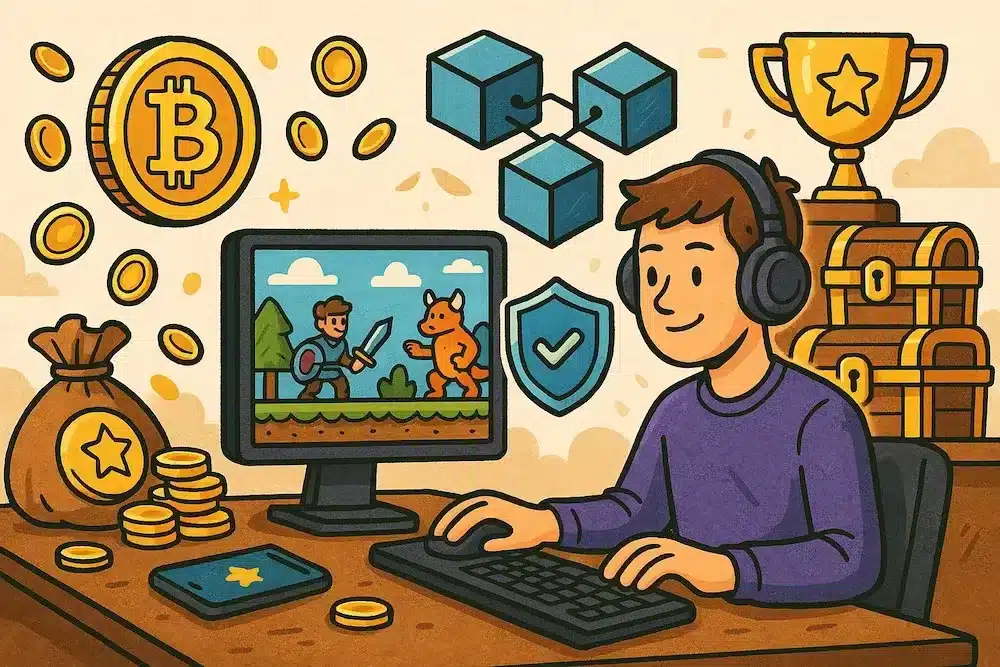
Web3 definitely won’t save bad projects. NFTs, tokens, staking — these are just tools you can use to your advantage. And here’s the formula for a successful Web3 game:
- Engaging gameplay;
- A lively, active community;
- Smart economy;
- Simplicity and convenience;
- Useful NFTs that really improve something.
And the main sign of a successful project is respect for players. Remember, you’re making a game primarily for people, not just for your own profit.