Community Trust ScoreVerified
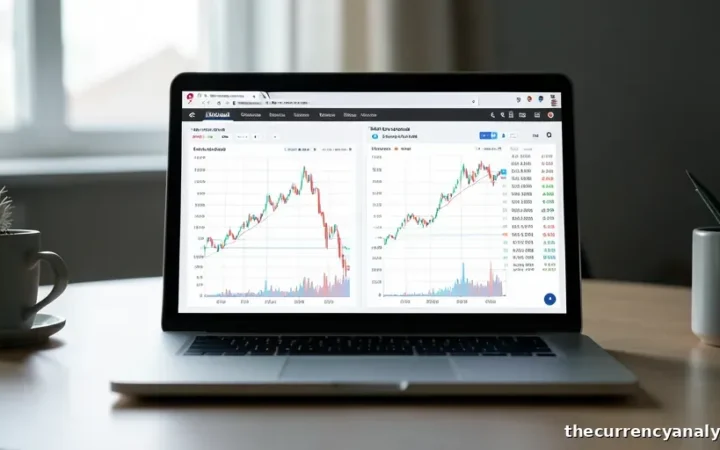
XMR1, a wrapped representation of Monero, lost 99.8% of its value on Hyperliquid on Friday. The token price fell from approximately $500 to $1 in a 30-minute span. Bitquery, a blockchain data firm, identified $13.5 million in suspicious sales of the asset connected to the rapid decline.
More coverage is filed under Technology.
Tracing the Liquidity
Bitquery’s onchain analysis showed that a single wallet received 5.2 million XMR1 tokens from the deployer account before the market collapse. The firm tracked the movement of funds as $13.28 million in USDC was transferred to the Arbitrum network. There, the stablecoin was swapped for 7,467 Ether (ETH), valued at $13.22 million, through the CoW Protocol. The majority of this Ether was then bridged to the Ethereum mainnet.
The investigation also linked the exploit to earlier security incidents. Bitquery found that proceeds from four hacks in November were used to purchase approximately $6.6 million worth of XMR1. The affected protocols included Across Protocol, Kava, Lighter, and Safe. Despite this financial overlap, the firm stated it found no onchain evidence directly connecting those specific November incidents to the Friday event. Analysts could not determine how the deployer account’s private key was compromised.
Operator Response and Blame
PerpetualCow, the pseudonymous operator of the service Wagyu which issued XMR1, attributed the crash to a security breach at hosting provider 1984. The operator claimed the breach exposed customer data and internal server files. The private key for the XMR1 deployer account had been stored on a server that was subsequently deleted. PerpetualCow alleged that 1984 retained logs and files associated with that deleted infrastructure.
XMR1 is a wrapped token designed to represent Monero on other blockchains; the crash affected this specific derivative rather than Monero’s native cryptocurrency. In response, PerpetualCow pledged to personally reimburse affected traders. Wagyu stated it would relaunch the service at a later date but did not provide a timeline for this restart. contacted the operator for additional details but had not received a response by the time of publication.