Community Trust ScoreLikely Real
What happened
Nvidia is selling $20 billion in bonds. That’s a big number — and it’s not a coincidence it’s landing right as Bitcoin miners scramble to reinvent themselves as AI infrastructure operators.
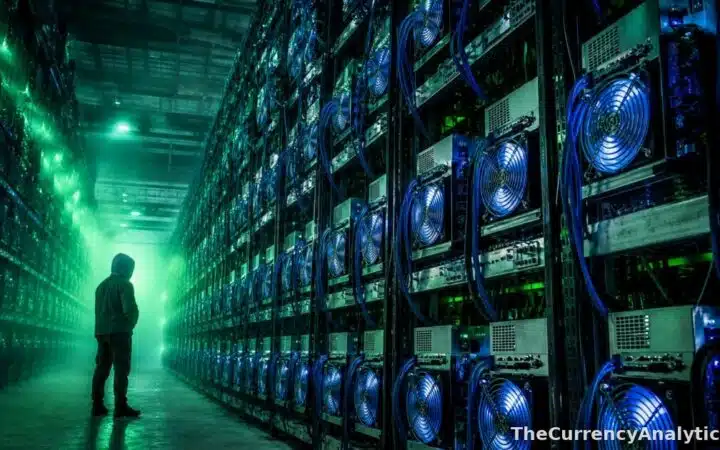
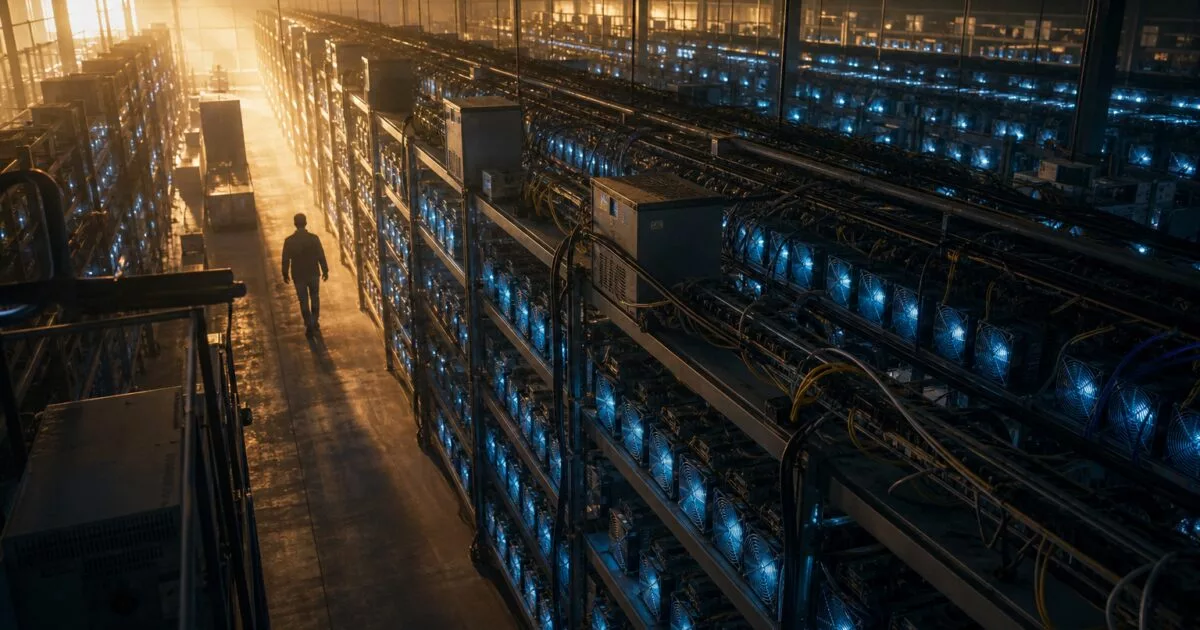
The bond sale is basically Nvidia betting hard on sustained demand for AI computing power. And for Bitcoin miners watching their margins get squeezed by crypto volatility, Nvidia’s move is a signal: the real money right now is in AI data centers, not block rewards. Miners who already own warehouses full of high-performance hardware are starting to connect those dots. The pivot is real, it’s accelerating, and it’s reshaping what “crypto infrastructure” even means in 2025.
Not a small shift.
The historical context
It’s worth stepping back. The crypto industry has done this kind of reinvention before, maybe not at this scale, but the pattern is familiar.
When Ethereum ran into serious scaling problems in the late 2010s, developers didn’t just patch the system — they rethought the whole architecture. The move toward Ethereum 2.0 and Proof of Stake was messy, slow, and expensive. But it worked. The network came out leaner and more defensible. Similarly, in the early 2020s, mining operations that were burning through cheap coal-powered electricity suddenly faced environmental pressure and regulatory heat. The ones that survived largely did so by shifting to renewable energy sources or relocating entirely. Adaptation wasn’t optional. It was survival.
Nvidia’s bond issuance fits that same mold. So does the miner pivot to AI. When an industry faces disruption from outside — in this case, the explosive demand for AI processing — the players who move fast tend to be the ones still standing. Those who don’t move get priced out.
There’s a reasonable argument that Bitcoin miners are actually well-positioned for this transition. They already run large-scale data facilities. They understand power procurement, cooling systems, and hardware management at a level most companies never touch. Repurposing that infrastructure for AI workloads isn’t trivial, but it’s probably more realistic for them than it would be for a company starting from scratch.
Why it matters
For Nvidia, the bond sale is more than a capital raise. It’s a statement. The company is doubling down on its role as the backbone of AI infrastructure — not just selling chips, but actively financing the buildout of the ecosystem that needs those chips. If the sale goes well and terms are favorable, it validates the entire thesis: that demand for AI computing is durable, not a bubble.
For miners, the stakes are different but just as high. Crypto markets are volatile. That’s not a new observation — it’s basically the defining feature of the asset class. Miners who’ve built their entire business around block rewards are exposed to that volatility in a way that’s hard to hedge. Diversifying into AI data center revenue gives them a second income stream that doesn’t move with Bitcoin’s price. That’s genuinely valuable, especially after the halving cycles that keep compressing mining economics.
But it’s not easy. The skill sets are different. Running a crypto mine and running an AI data center aren’t the same job. AI clients have different uptime requirements, different contractual structures, different technical demands. Miners making this pivot need to hire people they’ve never hired before, build relationships with enterprise customers they’ve never dealt with, and probably take on debt to upgrade facilities. That’s a lot of simultaneous pressure.
Can they pull it off? Unclear yet. Some will. Some won’t.
What to watch
Nvidia’s bond market performance over the next quarter will tell you a lot. If the $20 billion sale prices well and demand from institutional buyers is strong, that’s a green light for the broader AI infrastructure investment thesis. Weak demand or wide spreads would be a warning sign worth taking seriously.
On the mining side, watch capital expenditure disclosures. If major Bitcoin miners start reporting significant spending on AI infrastructure upgrades over the next six months, the pivot is real and gaining momentum. If those numbers stay flat, the talk is mostly talk.
Revenue mix is the longer-term metric. Miners who are genuinely transitioning will show growing non-crypto revenue over the next fiscal year. That’s the number that separates the operators who are actually executing from the ones just issuing press releases about AI ambitions.
Nvidia’s $20 billion bet is already on the table. The miners’ hands are still being played.